
How to Make a Thick and Creamy White Fish Soup
When it comes to making fish soup, achieving that thick and creamy white color is like hitting the jackpot. It's not just a visual treat but also a sign of a well - crafted dish that promises a rich and indulgent flavor. In this guide, we'll walk you through several key steps to help you reach this culinary milestone.
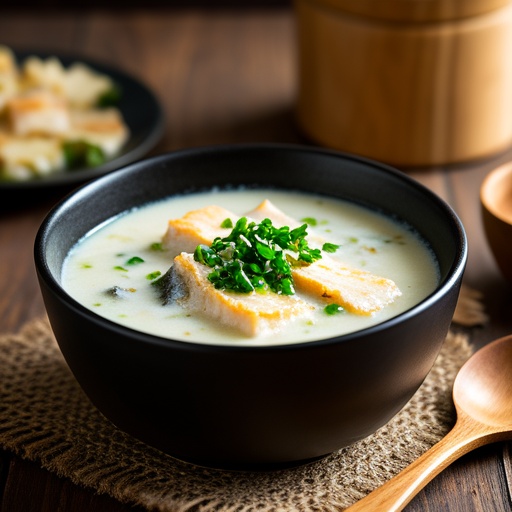 First and foremost, the choice and pre - treatment of the fish are of utmost importance. Selecting the right fish is the foundation of a great white fish soup. Opt for fresh, fatty fish such as catfish, carp, or perch. These fish varieties are a great choice because they have more oil in their flesh. This oil is essential for creating that signature white and thick soup. For example, catfish has a relatively high fat content, which gives the soup a rich and velvety texture. Carp, on the other hand, is known for its firm flesh and ability to release a good amount of flavor and fat into the soup. Perch, with its delicate flavor, adds a unique taste to the soup while still contributing to the creamy consistency.
Before you start cooking, it's crucial to clean the fish thoroughly. Begin by removing the scales. You can use a fish scaler or the back of a knife to scrape off the scales from the tail towards the head. This process can be a bit messy, but it's necessary to ensure a pleasant dining experience. Next, remove the gills. The gills can impart a bitter taste to the soup, so it's important to get rid of them completely. Then, make an incision along the belly of the fish and carefully remove the internal organs. After cleaning, rinse the fish under cold water to remove any remaining debris.
Once the fish is clean, make several incisions on both sides of the fish. These incisions serve multiple purposes. Firstly, they help the fish to cook evenly. When the heat can penetrate through the incisions, the fish cooks more uniformly, preventing some parts from being overcooked while others are undercooked. Secondly, the incisions allow the flavor and oil to be released more easily during the cooking process. As the fish cooks, the fat and flavor compounds can escape through these cuts and infuse into the soup. After making the incisions, pat the fish dry with a paper towel. Excess moisture on the fish can cause it to stick to the pan and prevent proper browning. If the fish sticks to the pan, it can break apart and make it difficult to achieve that perfect sear.
Heat some oil in a pan over medium - high heat. You can use a neutral - flavored oil like vegetable oil or canola oil. When the oil is hot, gently place the fish in the pan. Be careful not to splash the hot oil. Let it sear for a few minutes until one side turns golden brown. The browning process is not just for aesthetics; it's a vital step in creating a great fish soup. When the fish is seared, a Maillard reaction occurs, which locks in the flavor and breaks down the proteins. These proteins are what contribute to the milky color of the soup. After one side is browned, flip it over and sear the other side. This ensures that both sides of the fish are evenly cooked and flavored.
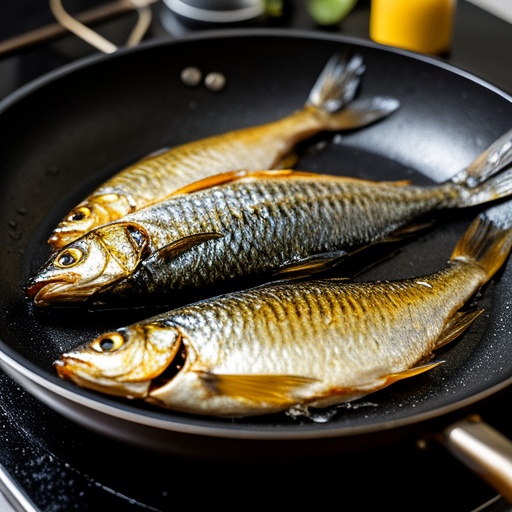 Second, the way of cooking the soup matters a great deal. Once the fish is browned, add an appropriate amount of boiling water to the pan. Using boiling water instead of cold water is a game - changer. The sudden temperature change helps to break down the fish's tissues. When the hot water hits the seared fish, the proteins in the fish coagulate and are released into the water, along with the fat. This is what gives the soup its white and thick appearance. The ratio of water to fish should be around 3:1 or 4:1, depending on how much soup you want to make. If you want a more concentrated soup, you can use a 3:1 ratio. For a lighter soup, a 4:1 ratio might be more suitable.
Bring the water to a boil, then reduce the heat to medium - low and let it simmer gently. Stir occasionally to ensure that all parts of the fish are cooked evenly. This also helps to distribute the flavors throughout the soup. You can also add some ginger slices, scallions, and a little cooking wine to remove any fishy smell. Ginger has natural anti - oxidant and anti - microbial properties, and it adds a warm and spicy flavor to the soup. Scallions, with their fresh and mild oniony flavor, enhance the overall taste of the soup. Cooking wine, such as Shaoxing wine, not only masks the fishy odor but also adds a subtle sweetness and complexity to the soup.
Simmer the soup for at least 30 minutes to an hour. The longer you simmer, the more the fat and proteins will be released, and the thicker and whiter the soup will become. During this simmering process, the flavors meld together, creating a harmonious and delicious soup. You can also add some additional ingredients to enhance the flavor and nutrition of the soup. For example, you can add some carrots, which add a touch of sweetness and color to the soup. Celery can also be added for its refreshing flavor and crunch. Potatoes are another great addition as they can thicken the soup naturally and add a creamy texture.
Once the soup is simmered to your desired consistency, you can season it with salt and pepper to taste. You can also garnish the soup with some fresh herbs, such as parsley or cilantro, to add a pop of color and a burst of fresh flavor. Serve the thick and creamy white fish soup hot, perhaps with some crusty bread on the side. The bread can be used to soak up the delicious soup, making for a satisfying meal.
In conclusion, by carefully selecting and pre - treating the fish, and following the right cooking methods, you can make a fish soup with a beautiful white and thick color. These steps not only enhance the visual appeal of the soup but also contribute to its rich and delicious flavor. With a little practice and attention to detail, you'll be able to master the art of making a thick and creamy white fish soup that will impress your family and friends.