Why the First Women's Bras Looked So Different from Modern Ones
The first women's bras looked so different from modern ones mainly due to historical, cultural, and technological factors. These elements have intertwined over time, shaping the evolution of the bra from its humble beginnings to the sophisticated undergarments we see today. 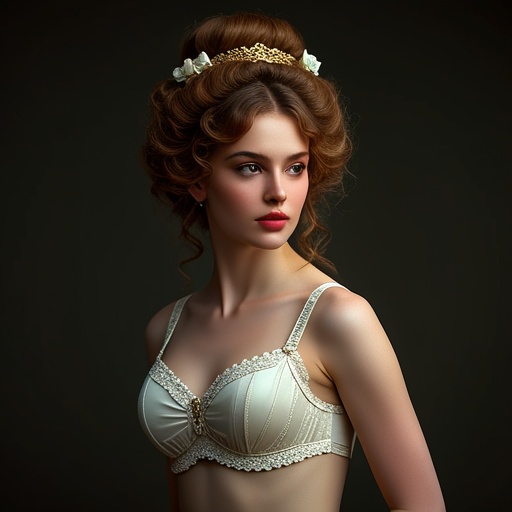
In the early days, the concept of bras was more about functionality and conformed to the fashion trends of the time. To truly understand this, we need to delve into the era of the late 19th and early 20th centuries. During this period, corsets were extremely popular. Corsets were not just a piece of clothing; they were a symbol of the societal norms and expectations placed on women. They were designed to reshape a woman's body, creating a very narrow waist and a more exaggerated hour - glass figure. This idealized figure was seen as a sign of femininity and elegance in that era. Corsets were often made of rigid materials like whalebone or steel. These materials were used to provide the necessary structure to mold the body into the desired shape. However, the use of such rigid materials came at a great cost. They restricted movement significantly, making it difficult for women to engage in physical activities such as running, dancing, or even walking with ease. Moreover, they also restricted breathing, leading to discomfort and potential health issues.
The early bras emerged as a more comfortable alternative to corsets. They were a breath of fresh air for women who were tired of the constricting nature of corsets. The early bras were simpler and more flexible. They were made of soft fabrics such as cotton and silk. Cotton was a popular choice because it was breathable and comfortable against the skin. Silk, on the other hand, added a touch of luxury and smoothness. The main function of these early bras was to provide basic support for the breasts. Unlike corsets, which were focused on reshaping the entire torso, the early bras were more about covering and holding the breasts in place rather than creating a specific aesthetic shape. For example, the first patented bra in 1914 by Mary Phelps Jacob was a simple two - handkerchief design held together with ribbon and cord. This design was revolutionary at the time as it allowed women to move freely without the constraints of a corset. It was a far cry from the structured and shaped bras we see today.
Culturally, different eras had different ideals of female beauty. In the past, there was less emphasis on the specific shape and lift of the breasts as there is now. In earlier societies, the focus was more on a woman's overall modesty and the way her clothing covered her body. The fashion industry was also less developed during this time. There were fewer resources and research dedicated to creating specialized lingerie. The concept of lingerie as a separate category of clothing was still in its infancy. Women had limited options when it came to choosing undergarments, and the bras available were more of a practical necessity rather than a fashion statement.
As time went on, with the development of the fashion industry and changing beauty standards, bras began to take on a new role. The fashion industry started to play a more significant role in shaping women's ideals of beauty. Magazines, advertisements, and fashion shows began to promote a new standard of female attractiveness that included a fuller, rounder, and more lifted bust. This shift in beauty standards was influenced by various factors, including the rise of Hollywood and the influence of movie stars. Actresses like Marilyn Monroe became icons of beauty, and their voluptuous figures were emulated by women around the world.
To meet these changing beauty standards, bra manufacturers began to innovate. They started to design bras that were not only functional but also aesthetically pleasing. The goal was to enhance the appearance of the breasts, creating a more desirable silhouette. This led to the development of new bra designs such as push - up bras, which used padding and special construction techniques to give the breasts a lifted and fuller look. Underwire bras also became popular as they provided additional support and shape. These new designs were a far cry from the simple and basic early bras.
Technological advancements also played a crucial role in the evolution of bras. New materials such as spandex and foam were introduced. Spandex was a game - changer as it provided stretch and elasticity, allowing the bra to conform to the body's shape while still providing support. Foam, on the other hand, was used to add padding and shape to the bra cups. These new materials allowed for more precise shaping and better support. Modern manufacturing techniques have also enabled the creation of more complex and detailed bra designs. Computer - aided design (CAD) and advanced sewing techniques have made it possible to create bras with intricate patterns, adjustable straps, and custom - fit options. These features were unheard of in the early days of bras.
Another aspect of technological advancement is the improvement in bra sizing. In the past, bra sizing was much less accurate and standardized. Women often had to rely on trial and error to find a bra that fit properly. Today, with the help of advanced measuring tools and research, bra sizing has become more precise. This has led to a better fit and increased comfort for women.
The marketing and branding of bras have also evolved over time. In the past, bras were simply sold as a basic necessity. Today, they are marketed as fashion items, with different brands offering a wide range of styles, colors, and patterns to choose from. This has further contributed to the transformation of bras from simple undergarments to fashionable accessories.
In conclusion, the first women's bras looked different because they were a response to the uncomfortable corsets of the time, and they developed in line with evolving cultural ideals of beauty and technological progress. The journey of the bra from its simple beginnings to the modern, sophisticated undergarments we have today is a testament to the changing roles and expectations of women in society. As cultural norms continue to evolve and technology advances further, it will be interesting to see how the bra continues to change in the future.