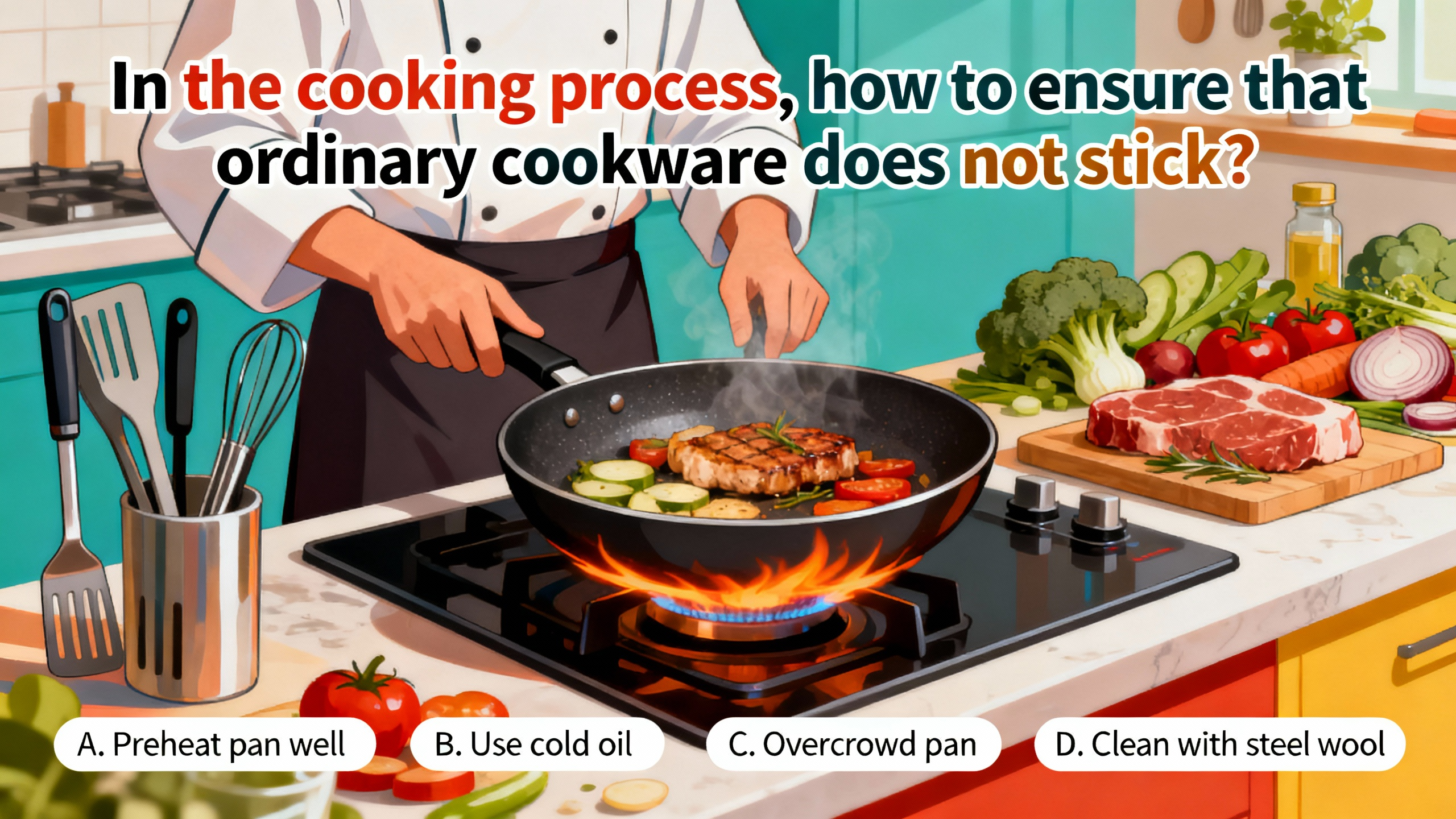
Preventing Food from Sticking to Regular Cookware
When it comes to the art of cooking, one of the most common and frustrating issues that many people encounter is food sticking to regular cookware. Whether you're a novice cook just starting to explore the culinary world or an experienced chef, dealing with stuck - on food can turn a potentially delicious meal into a chore. Not only does it make the cooking process more difficult, but it can also affect the taste and appearance of your food. Fortunately, there are several effective methods that you can employ to ensure that your regular pots and pans remain non - stick and your cooking experience is a smooth one.
Firstly, proper pre - heating of the cookware is a crucial step that should never be overlooked. Before you even think about adding any oil or food to the pan, place it on the stovetop over medium heat. This initial heating process is essential as it prepares the pan for cooking. Allowing the pan to heat for about 2 - 3 minutes gives it enough time to reach an optimal temperature. To test if the pan is at the right temperature, you can perform a simple water - droplet test. Sprinkle a few drops of water on the surface of the pan. If the water droplets dance and evaporate quickly, it's a clear sign that the pan is ready. This phenomenon occurs because the pre - heating helps to open up the pores in the metal of the pan. When the pores are open, the oil that you add later can penetrate more effectively, forming a non - stick barrier between the food and the pan.
Once the pan is pre - heated, it's time to add a thin layer of oil. The choice of oil is important here. You should opt for a high - smoke - point oil such as canola, grapeseed, or peanut oil. These oils are ideal because they can withstand the high heat of cooking without burning. When oil burns, it can not only produce an unpleasant smell and taste but also leave behind a sticky residue on the pan. To ensure an even distribution of the oil, tilt the pan gently in all directions. This way, the oil will spread across the entire surface of the pan, providing a uniform non - stick coating. For example, if you're using a large skillet, start by pouring a small amount of oil in the center and then slowly tilt the pan from side to side and front to back until the oil has covered the entire cooking area.
Secondly, the way you handle the food also plays a significant role in preventing it from sticking. One of the key factors is to ensure that the food is dry before adding it to the pan. Moisture on the food can cause it to stick to the pan's surface. Take meat, for instance. Before you place a steak or a chicken breast in the pan, pat it dry with a paper towel. This simple step can make a world of difference. The excess moisture on the meat can create steam when it hits the hot pan, and this steam can cause the meat to stick. By removing the moisture, you reduce the chances of sticking and also allow the meat to sear properly, creating a delicious crust on the outside.
Another important aspect of food handling is avoiding overcrowding the pan. If you try to cook too much food in a single pan at once, the temperature of the pan will drop rapidly. When the temperature drops, the food is more likely to stick. For example, if you're frying a batch of fish fillets, it's better to cook them in batches rather than trying to fit them all in one go. This way, each piece of fish gets enough space and heat to cook evenly without sticking. You can also use a timer to keep track of the cooking time for each batch, ensuring that all the fish is cooked to perfection.
Patience is also a virtue when it comes to cooking. When you add food to the pan, resist the urge to move it around immediately. Let the food cook undisturbed for a while. For example, when frying an egg, give it a minute or two to cook on one side. During this time, a crust will form on the bottom of the egg. Once the crust has formed, it will be much easier to flip the egg without it sticking to the pan. The same principle applies to other foods like pancakes or burgers. By allowing the food to cook undisturbed, you give the non - stick barrier created by the oil and pre - heating time to work effectively.
In addition to proper pre - heating and food handling, cleaning and maintaining your cookware properly can also enhance its non - stick performance. After each use, it's important to clean the pan as soon as possible. Fill the sink with warm, soapy water and use a soft sponge to clean the pan. Avoid using abrasive cleaners or steel wool, as they can scratch the surface of the pan. These scratches can damage the non - stick coating or expose the metal, reducing the pan's ability to prevent food from sticking. If there are stubborn stains on the pan, you can soak it in warm, soapy water for a while. This will help to loosen the stains, making them easier to remove. After soaking, gently scrub the pan with the soft sponge until the stains are gone.
For cast - iron or carbon - steel pans, regular seasoning is a great way to create a natural non - stick surface over time. Seasoning involves applying a thin layer of oil to the pan and heating it in the oven. This process helps to polymerize the oil, creating a hard, non - stick surface. To season a cast - iron pan, first, wash it with warm, soapy water and dry it thoroughly. Then, apply a thin layer of vegetable oil or melted shortening to the entire surface of the pan, including the handle. Wipe off any excess oil with a paper towel. Place the pan upside down in a pre - heated oven at around 375°F (190°C) for about an hour. After an hour, turn off the oven and let the pan cool inside. Repeat this seasoning process every few months to maintain the non - stick surface.
It's also important to store your cookware properly. Stacking pans on top of each other without any protection can cause scratches. You can use pan protectors or place a soft cloth between the pans to prevent them from scratching each other. By following these steps, you can keep your regular cookware in good condition and prevent food from sticking during cooking. This not only makes your cooking experience more enjoyable but also extends the lifespan of your cookware, saving you money in the long run.
Moreover, different types of regular cookware may require slightly different approaches. For example, ceramic cookware is known for its non - stick properties, but it can be more delicate than metal pans. When pre - heating a ceramic pan, it's best to use low to medium heat to avoid thermal shock. Also, when cleaning ceramic cookware, use a mild detergent and a soft sponge. Avoid using sharp utensils on ceramic pans as they can scratch the surface.
Stainless steel cookware is another common type. While it may not have the same non - stick properties as some other materials, it can still be made non - stick with proper techniques. When pre - heating a stainless steel pan, it may take a bit longer than other pans. You can test the temperature by using the water - droplet test as well. Once the pan is at the right temperature, add a small amount of oil and spread it evenly. Stainless steel pans are great for searing meats, but you need to be careful not to overcook the food, as overcooking can cause it to stick more.
In conclusion, preventing food from sticking to regular cookware is a combination of proper pre - heating, careful food handling, and regular cleaning and maintenance. By following these methods, you can enjoy a hassle - free cooking experience and create delicious meals without the frustration of stuck - on food. Whether you're cooking a simple breakfast or a gourmet dinner, these tips will help you make the most of your regular pots and pans and ensure that your food comes out perfectly every time.