Natural Mosquito-Repellent Vegetables: Garlic and Onion
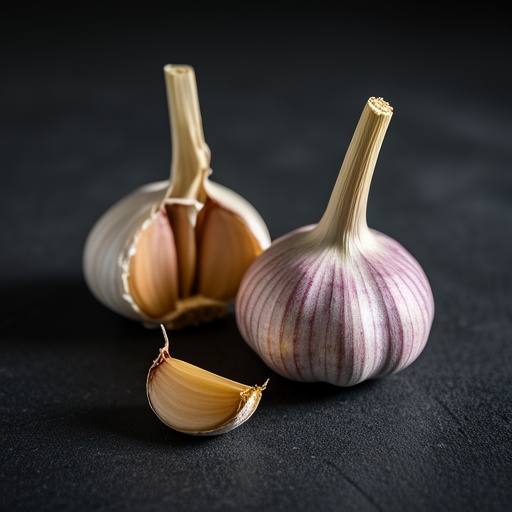 In our daily lives, mosquitoes can be a real nuisance. They not only cause itchy bites but can also transmit various diseases such as malaria, dengue fever, and Zika virus. While there are numerous commercial mosquito - repellent products available in the market, many of them contain chemicals that may have potential side - effects on human health and the environment. Fortunately, nature has provided us with some common vegetables that possess natural mosquito - repellent properties, and one of them is garlic.
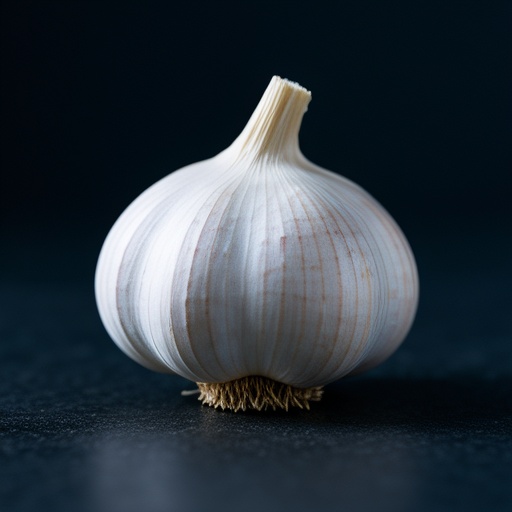 Garlic is a well - known ingredient in kitchens around the world. It has been used for centuries in cooking due to its unique flavor and numerous health benefits. But its mosquito - repellent ability is often overlooked. Garlic contains a sulfur - containing compound called allicin. When garlic is crushed or cut, a chemical reaction occurs, and allicin is released. This compound has a very strong and pungent odor that mosquitoes simply cannot stand. The sense of smell is crucial for mosquitoes as they use it to locate their targets, mainly humans and animals. The smell of allicin can severely interfere with the mosquitoes' olfactory system. Mosquitoes rely on detecting carbon dioxide, lactic acid, and other chemicals emitted by our bodies to find us. However, the overpowering odor of allicin masks these attractant chemicals, making it extremely difficult for mosquitoes to zero in on their intended prey. In addition to its direct mosquito - repellent effect when used in its crushed form, consuming garlic can also have an impact on mosquito behavior. When a person eats garlic, the allicin is metabolized in the body. Some of its components are excreted through the skin pores. This causes the human body to emit a faint garlic - like smell. While this smell may not be noticeable to us, mosquitoes can detect it from a distance. It acts as a natural mosquito - deterrent, reducing the likelihood of being bitten. For example, in some rural areas where people have a diet rich in garlic, it has been observed that they experience fewer mosquito bites compared to those with a diet low in garlic. There are also some anecdotal reports from hikers and campers who consume garlic before going into mosquito - infested areas and claim to have had a relatively mosquito - free experience.
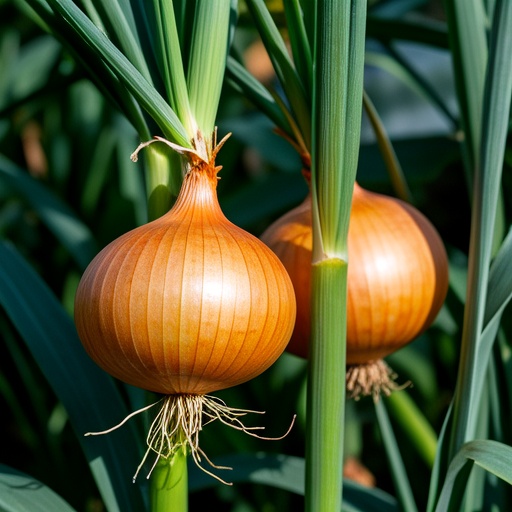 Another vegetable that shares similar mosquito - repellent properties is onion. Onions, like garlic, belong to the Allium family. This family of plants is known for its characteristic sulfur - based compounds. Just like in garlic, onions also contain compounds similar to allicin. These compounds give onions their characteristic sharp and strong smell. When an onion is cut open, a variety of volatile substances are released. These substances have a repelling effect on mosquitoes. In a garden setting, planting onions around the perimeter can be an effective natural mosquito - control method. Mosquitoes are attracted to the scents of plants, flowers, and the carbon dioxide and other chemicals emitted by humans and animals in the area. However, the strong odor of onions masks these attractive scents. Imagine a beautiful garden filled with colorful flowers and lush greenery. Without any mosquito - control measures, it would be a haven for mosquitoes. But by planting onions around the edges, the strong smell of the onions creates a sort of barrier. Mosquitoes are less likely to enter the area as they are unable to detect the scents that usually draw them in. Onions can also be used in a more direct way to repel mosquitoes. For instance, you can cut an onion into slices and place them in small bowls around your living room, patio, or any outdoor area where you want to keep mosquitoes away. The volatile compounds will gradually evaporate into the air, creating a mosquito - free zone.
Both garlic and onion are not only common vegetables in our diet but also natural and environmentally - friendly mosquito - repellent agents. Their mosquito - repellent properties are a bonus on top of their nutritional value and culinary uses. Garlic is rich in vitamins C, B6, and manganese, and it also contains antioxidants that can boost the immune system. Onions are a good source of vitamin C, fiber, and antioxidants as well. In the kitchen, garlic and onions are used in a wide variety of dishes. Garlic can be used to make garlic bread, added to pasta sauces, or used as a flavor enhancer in stir - fries. Onions can be caramelized to make a delicious topping for burgers, used in soups, or added to salads. From an environmental perspective, using garlic and onions as mosquito - repellents is a great alternative to chemical - based products. Chemical mosquito repellents can contaminate soil, water, and air, and they may also harm beneficial insects and animals. In contrast, garlic and onions are biodegradable and do not pose any significant threat to the environment. In conclusion, garlic and onions are true powerhouses. They offer us a natural, healthy, and eco - friendly way to deal with the mosquito problem. Whether you choose to plant them in your garden, consume them in your diet, or use them in a more direct way to repel mosquitoes, these vegetables are a valuable addition to our fight against these pesky insects.