The Art of Brushing Sauce for Grilled Food
When grilling, achieving a more even and intense flavor on the ingredients through proper sauce - brushing techniques is an art. Here are some effective methods. 
Firstly, preparation is key. Before starting to brush the sauce, make sure your ingredients are well - seasoned. You can marinate them in a basic blend of salt, pepper, and perhaps some spices for a while. This initial seasoning provides a flavor base. When it comes to the sauce itself, mix it thoroughly. If the sauce has different components like oil, spices, and liquids, they may separate over time. Stirring it well ensures that every brushstroke delivers a consistent flavor. 
Let's dig deeper into the preparation of ingredients. The choice of spices for marinating can vary greatly depending on the type of food you're grilling. For instance, when grilling seafood such as shrimp or salmon, a marinade with lemon zest, garlic powder, and a touch of paprika can bring out a bright, zesty flavor. The lemon zest adds a fresh, citrusy note, while the garlic powder provides a savory depth, and paprika gives a hint of color and mild spiciness. If you're grilling vegetables like bell peppers or zucchini, a simple olive oil, balsamic vinegar, salt, and pepper marinade can work wonders. The olive oil helps to keep the vegetables moist during grilling, the balsamic vinegar adds a tangy sweetness, and the salt and pepper enhance the natural flavors. Regarding the sauce preparation, different sauces require different handling. A barbecue sauce, which often contains ingredients like ketchup, molasses, mustard, and various spices, needs to be heated gently while stirring to ensure all the flavors meld together. This heating process can also help to thicken the sauce slightly, making it adhere better to the grilled food. On the other hand, a teriyaki sauce, with its main components of soy sauce, sake, and sugar, should be stirred well to dissolve any sugar crystals that may have formed. If the sauce is too thick, you can add a little bit of water or more sake to thin it out to the right consistency for easy brushing.
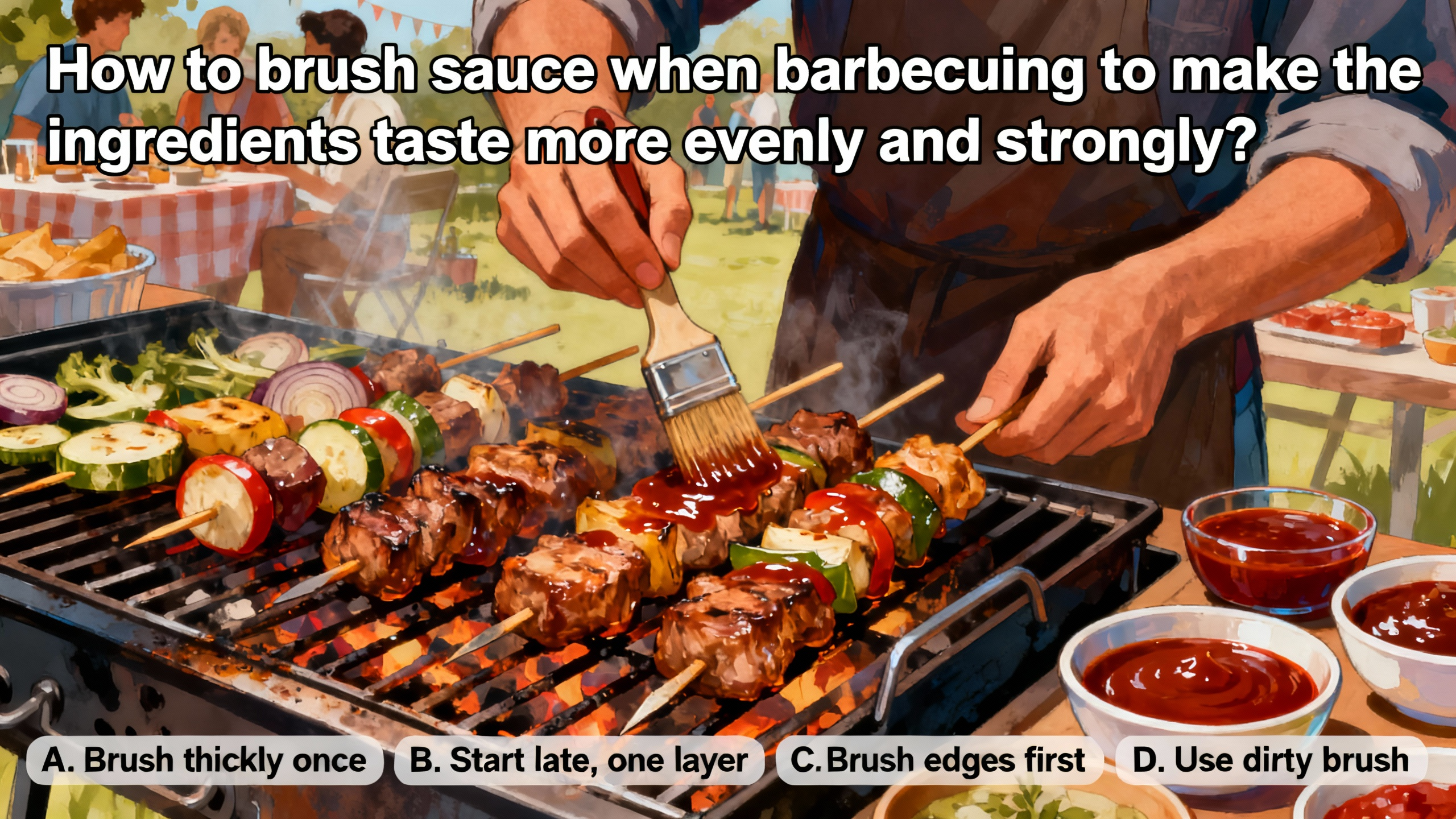
Next, timing matters. Start brushing the sauce early in the grilling process. When the ingredients are still relatively raw, the sauce has more time to penetrate the surface. For example, when grilling chicken wings, start brushing a light layer of sauce about halfway through the cooking time. As the wings cook further, the sauce will caramelize and form a delicious crust. It's also important to brush the sauce multiple times. Instead of applying a thick layer all at once, use a light hand and apply thin layers at intervals. This allows the sauce to build up gradually and soak into the food evenly. 
The exact timing for brushing sauce can also be adjusted according to the heat source. If you're using a high - heat grill, you might need to start brushing the sauce a bit earlier than with a medium - heat grill. High heat cooks the food faster on the outside, and starting to brush the sauce earlier ensures that the flavors have time to penetrate before the outer layer becomes too charred. When grilling burgers, for example, if you're using a high - heat grill, you could start brushing a special burger sauce (perhaps a blend of mayonnaise, ketchup, and a secret spice mix) about two - thirds of the way through the cooking time. This gives the sauce enough time to seep into the patty and create a flavorful crust without burning the sauce. Brushing the sauce multiple times is not only about even flavor distribution but also about creating different flavor layers. Each time you brush the sauce, it adds a new dimension to the taste. The first layer might be more about flavor absorption, the second layer could enhance the color and caramelization, and subsequent layers can build up a rich, complex flavor profile. When grilling ribs, for instance, starting with a dry rub and then applying a barbecue sauce in multiple thin layers over the cooking process can result in a tender, juicy rib with a deeply flavored, caramelized exterior.
Finally, the way you brush the sauce is crucial. Use a clean, food - safe brush. Dip the brush into the sauce and then gently tap it on the side of the container to remove any excess. Begin by brushing the edges and corners of the ingredients first, as these areas tend to dry out faster and can benefit from the moisture and flavor of the sauce. Then, work your way towards the center. Make sure to cover all sides of the food evenly. If you're grilling a large piece of meat, like a steak, you can use a basting motion, moving the brush in a smooth, continuous pattern. This helps to distribute the sauce uniformly across the surface, resulting in a more even and intense flavor throughout the entire ingredient. 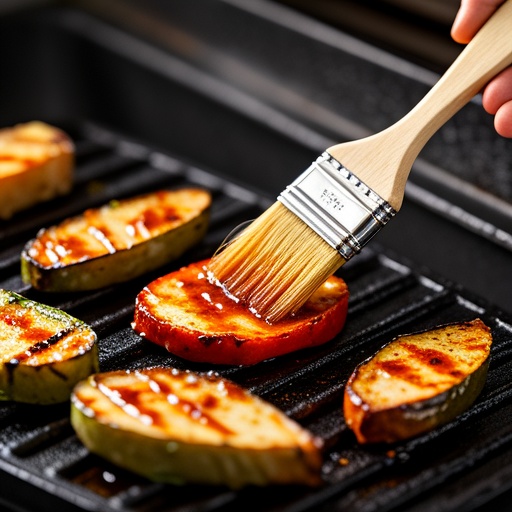
The type of brush you use also plays a role. A natural bristle brush can hold a good amount of sauce and distribute it evenly, but it needs to be well - cleaned after each use to prevent the growth of bacteria. A silicone brush, on the other hand, is easy to clean and heat - resistant, making it suitable for high - heat grilling situations. When brushing the sauce, the pressure you apply matters too. For delicate ingredients like fish, a very light touch is required to avoid breaking the flesh. You should almost be caressing the fish with the brush, ensuring that the sauce adheres without disturbing the structure of the fish. When grilling small items like skewered vegetables or small pieces of meat, it can be a bit more challenging to brush the sauce evenly. In such cases, you can use a smaller brush or even a pastry brush to reach all the nooks and crannies. Another option is to pour a small amount of sauce into a shallow dish and roll the skewered items in the sauce, ensuring that all sides are coated. This method can be especially effective for items like chicken satay, where a well - coated layer of peanut - based sauce is essential for that authentic flavor.
In conclusion, by preparing the ingredients and sauce well, choosing the right timing, and using proper brushing techniques, you can significantly enhance the flavor of your grilled food.