The Frequency of Bra Replacement: A Crucial Cold Fact
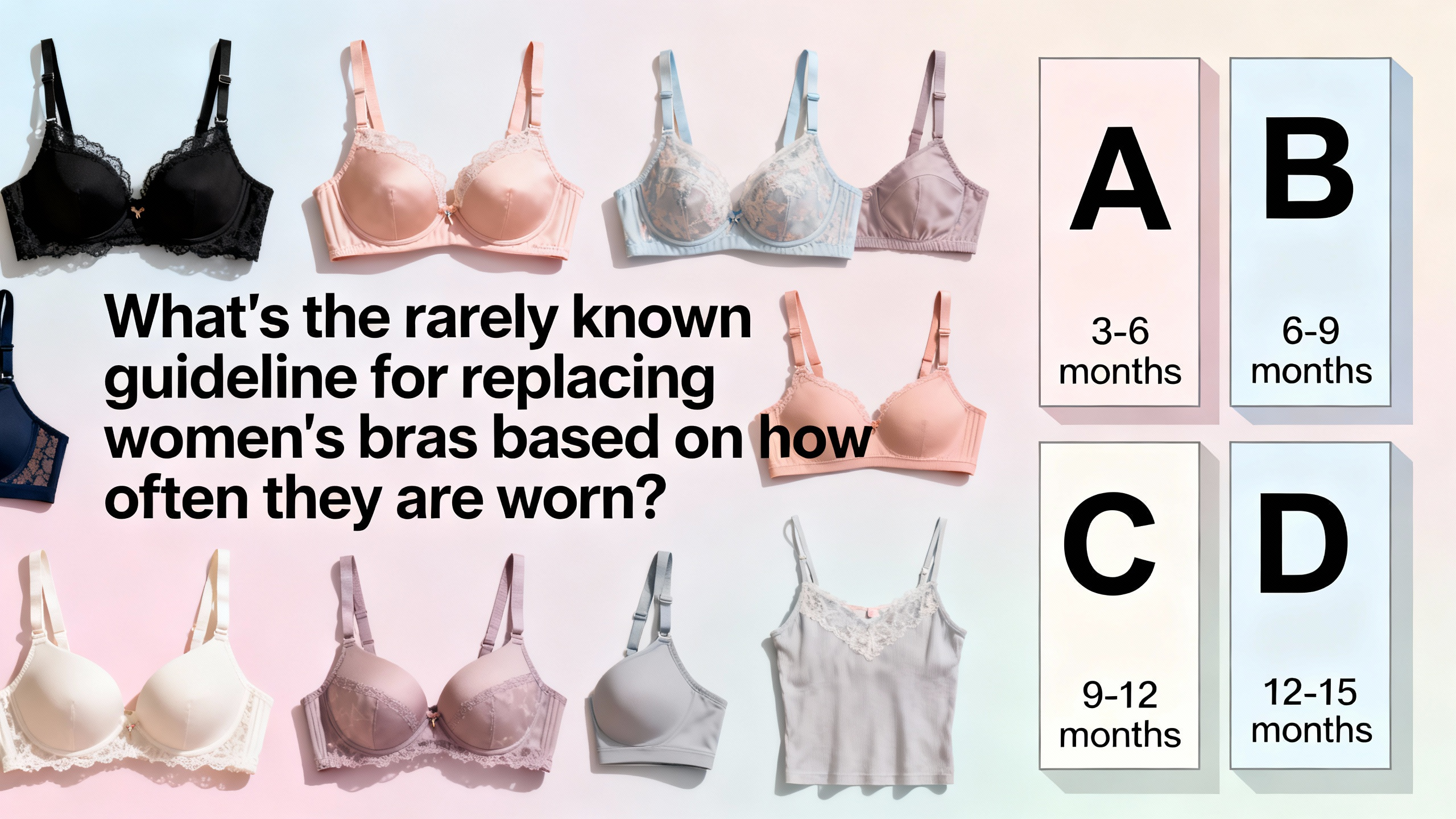
The frequency of bra replacement is often overlooked, yet it's a matter of utmost importance for maintaining both comfort and breast health. Many women may not realize that a well - fitting and properly maintained bra can have a significant impact on their overall well - being. A little - known guideline for replacing women's bras is intricately related to how often they are worn. This factor is a key determinant in understanding when it's time to bid farewell to an old bra and welcome a new one into the lingerie collection.
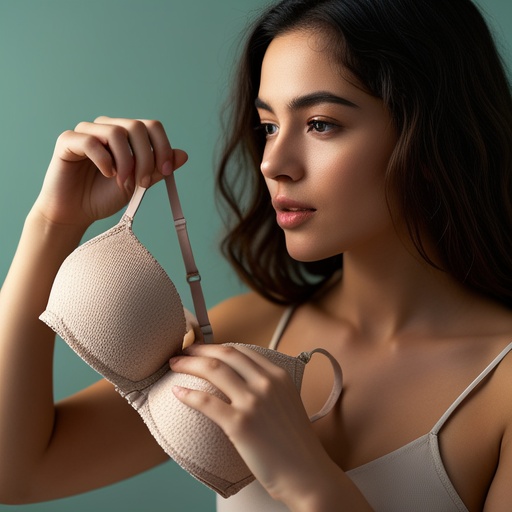 When a woman wears a bra on a daily basis, it is generally recommended to replace it every 6 - 9 months. The daily grind of wearing a bra subjects it to a multitude of stresses. Body movements play a major role in this. Every time a woman walks, runs, or even just sits at her desk, the bra is constantly being tugged and pulled. For instance, when running, the up - and - down motion can put a great deal of strain on the bra's straps and cups. The elastic, which is the backbone of a bra's support system, is constantly being stretched and contracted. Over time, this repeated stress causes the elastic to gradually lose its elasticity. Just like an old rubber band that no longer snaps back into shape, the bra's elastic becomes loose and unable to provide the necessary lift and support.
Sweat is another culprit in the deterioration of a bra. Our bodies naturally produce sweat, and when it comes into contact with the bra fabric, it can cause a variety of problems. Sweat contains salts and other substances that can break down the fibers of the fabric. This not only weakens the fabric but also makes it more prone to stretching. Moreover, sweat can create a breeding ground for bacteria. Bacteria thrive in warm, moist environments, and a sweaty bra provides the perfect habitat. The accumulation of bacteria can lead to unpleasant odors and even skin irritations.
Friction is yet another factor that takes a toll on a daily - worn bra. The constant rubbing of the bra against the skin, especially around the edges and under the arms, can cause the fabric to wear thin. This can result in frayed edges, which not only look unappealing but can also be uncomfortable. The underwire, which is designed to provide additional support and shape, is also affected by daily wear. Over time, the underwire may start to poke through the fabric. This can be extremely painful, as it can dig into the skin and potentially damage the breast tissue. Additionally, the underwire may bend out of shape, losing its ability to provide the proper contour and support. The fabric of the bra can also lose its shape - retaining properties. It may stretch out in some areas and become misshapen, making the bra less effective in providing the necessary support for the breasts.
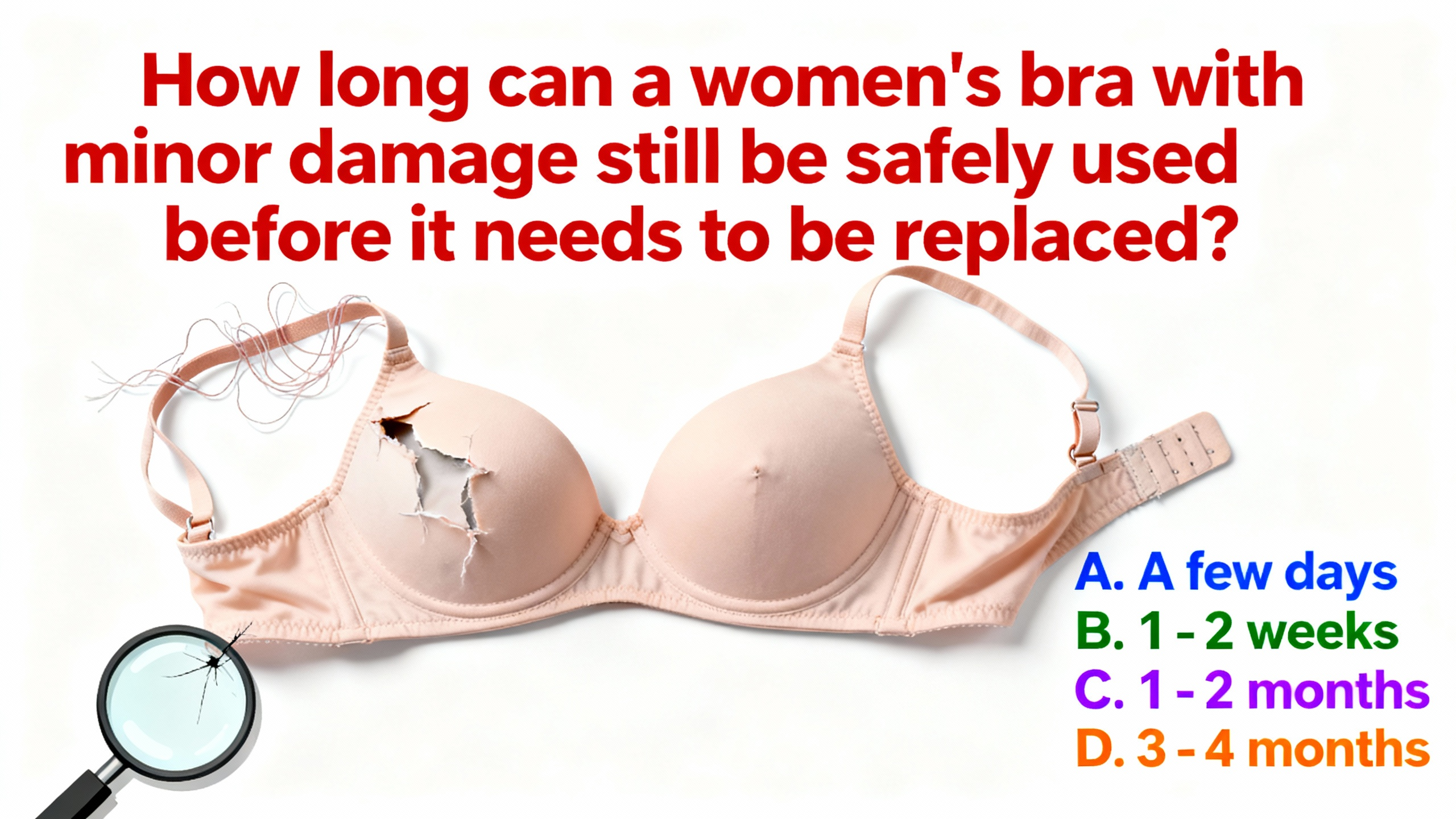
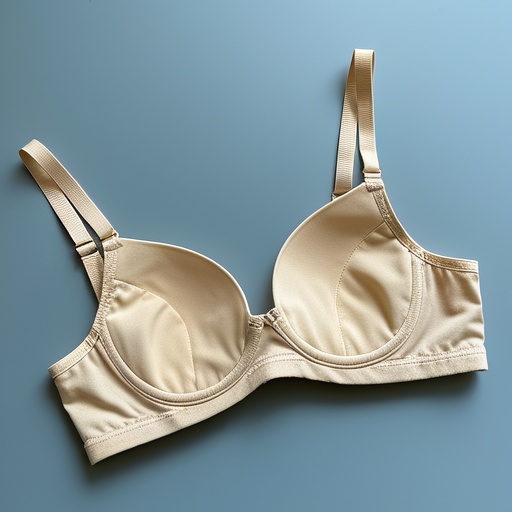 On the other hand, for those who wear a bra less frequently, say 2 - 3 times a week, the replacement period can be extended to about 9 - 12 months. Since the bra is not exposed to daily wear and tear, the components such as elastic and underwire remain in better condition for a longer time. However, this does not mean that the bra can be neglected. It's still important to check the bra regularly for signs of wear. Frayed edges are a common sign that the bra is starting to deteriorate. These frayed edges can be sharp and cause irritation to the skin. Stretched - out elastic is another giveaway. If the straps or the band of the bra are too loose and no longer hold the breasts in place properly, it's a clear indication that the elastic has lost its effectiveness. A loose fit is also a problem. A bra that doesn't fit well can cause the breasts to sag or move around too much, which can lead to discomfort and even back pain.
Even if a bra has only been worn a few times a week, if any of these issues are present, it's time to replace the bra, regardless of how long it has been since purchase. For example, if a woman notices that the underwire has started to poke through the fabric after only a few months of infrequent use, she should not hesitate to get a new bra. Ignoring these signs can have negative consequences for both comfort and breast health.
It's also important to note that the quality of the bra can affect its lifespan. Higher - quality bras are often made with better materials and construction techniques. They may have stronger elastic, more durable fabric, and better - designed underwire. These bras may last longer, even with frequent wear. However, even high - quality bras are not immune to the effects of time, sweat, and friction. On the other hand, lower - quality bras may need to be replaced more frequently, even if they are worn less often.
Another aspect to consider is the type of bra. Different types of bras have different functions and levels of support. For example, sports bras are designed to provide maximum support during physical activity. They are often subjected to more intense stress than regular bras. A sports bra that is worn for daily workouts may need to be replaced more frequently than a regular bra worn for everyday activities. Push - up bras, which are designed to enhance the appearance of the breasts, may also have different wear - and - tear patterns. The padding in push - up bras can lose its shape over time, reducing its effectiveness.
Proper care of the bra can also extend its lifespan. Washing the bra correctly is crucial. It's recommended to hand - wash bras whenever possible, as the agitation in a washing machine can be too harsh on the delicate fabric and elastic. If using a washing machine, a gentle cycle with a lingerie bag is advisable. Avoid using harsh detergents that can damage the fibers of the fabric. After washing, bras should be air - dried, as high - heat drying can cause the elastic to shrink and the fabric to lose its shape.
In summary, the frequency of bra replacement is closely tied to how often it is worn. By following these guidelines and being vigilant about checking for signs of wear, women can ensure that they are always wearing a bra that provides proper support and comfort. A well - fitting and properly maintained bra not only enhances the appearance but also contributes to better breast health and overall well - being. So, ladies, take a moment to assess your bras and make sure you're giving your breasts the care they deserve.