The Lifespan of a Slightly Damaged Women's Bra
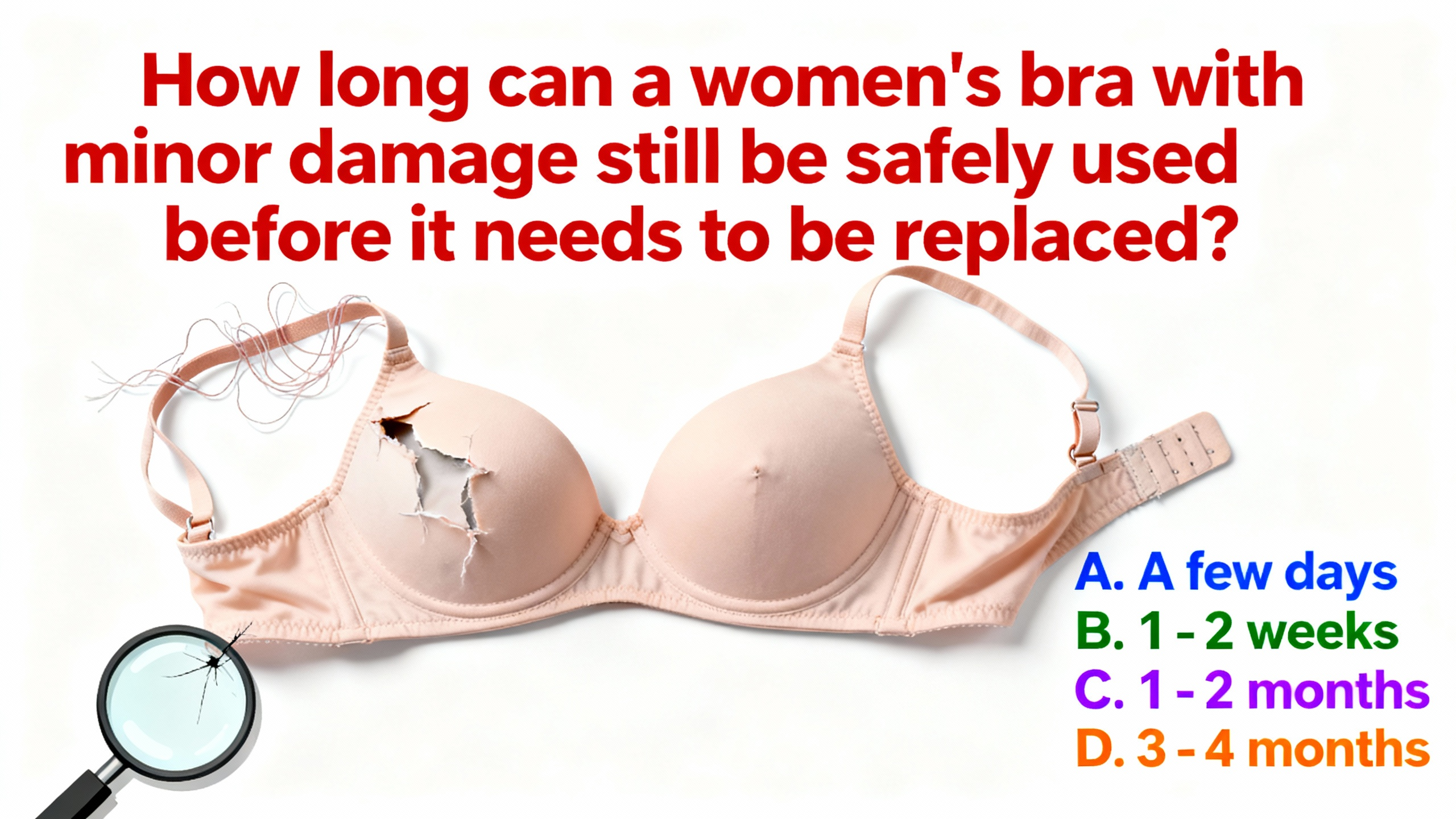
 The lifespan of a slightly damaged women's bra before replacement is a topic that many women may not give much thought to, yet it is an important aspect of maintaining both comfort and proper support. Several key factors come into play when determining how long a slightly damaged bra can still be used. First and foremost, we need to consider the type of damage. If it's just a small tear in the fabric that doesn't affect the overall structure or support, the bra may still be usable for a few more wears. For example, a tiny tear on the outer layer of the bra cup, away from the seams and the areas that provide support, might not pose an immediate threat to the bra's functionality. You could still wear it a few times without any significant issues. However, if the damage is to the elastic parts, such as the underband or the shoulder straps, the situation is quite different. Elastic is crucial for a bra to provide proper support. Think of it like the foundation of a building. Once the elastic starts to lose its stretch or has a small break, the bra's ability to hold the breasts in place will gradually decline. A loose underband, for instance, won't be able to keep the bra firmly in position, causing it to ride up and potentially leading to discomfort and a lack of support. Similarly, if the shoulder straps lose their elasticity, they won't be able to distribute the weight of the breasts evenly, which can put extra strain on the shoulders and back.
 Another aspect that significantly influences the lifespan of a slightly damaged bra is how often the bra is worn. A bra that is worn daily will experience more stress and wear compared to one that is only worn occasionally. For a daily - use bra with minor fabric damage, it might be safe to use for about 1 - 2 weeks. This is because the constant movement and friction during daily activities will gradually worsen the damage. For example, if you're constantly on the go, walking, sitting, and moving your arms, the small tear in the fabric could start to spread. But if the elastic is damaged, it's advisable to replace it within a week or even sooner. The repeated stretching and contracting of the elastic during daily wear will cause the damage to progress rapidly. On the other hand, an occasionally - worn bra with minor fabric damage could potentially be used for a month or two before replacement. Since it's not subjected to the same level of stress and wear as a daily - use bra, the damage will take longer to worsen. For instance, if you only wear a particular bra for special occasions, it won't be exposed to the same amount of movement and friction, allowing it to last longer.
 The impact on comfort and health also plays a crucial role in determining the lifespan of a slightly damaged bra. A damaged bra may cause discomfort, such as chafing or irritation. Even if the damage seems minor, if it starts to cause such issues, it should be replaced immediately. For example, a small frayed edge on the bra strap could rub against the skin, causing redness and irritation. This not only makes the bra uncomfortable to wear but can also lead to skin problems if left untreated. In addition, a bra that fails to provide adequate support can lead to back and shoulder pain over time. When the bra doesn't hold the breasts in place properly, the muscles in the back and shoulders have to work harder to compensate, which can result in fatigue and pain. This is especially true for women with larger breasts, as they require more support. Therefore, for a women's bra with minor damage, it's a delicate balance between the type of damage, frequency of use, and the impact on comfort and health to determine how long it can still be safely used. Generally, it could range from a few days to a couple of months.
Let's take a closer look at the different types of damage and their implications. A small tear in the lining of the bra cup might seem insignificant at first, but it can actually cause problems. The lining is there to provide a smooth surface against the skin and to prevent the outer fabric from rubbing directly on the breasts. If the lining is torn, the outer fabric could start to irritate the skin, especially if it's made of a rough material. Additionally, a tear in the lining could allow the padding in the cup to shift, which can affect the shape and support of the bra. Another common type of damage is a broken hook or eye on the back closure. While this might not seem like a major issue, it can make the bra difficult to put on and take off, and it can also affect the overall fit. If the hook is loose or broken, the bra won't be able to stay closed properly, which can lead to embarrassing situations and a lack of support.
When it comes to the frequency of use, we also need to consider the activities that a woman engages in while wearing the bra. For example, if a woman is very active, such as a runner or a fitness enthusiast, a slightly damaged bra will experience more stress than if she has a sedentary job. The constant movement and impact during exercise can cause the damage to worsen much faster. A small tear in the fabric could quickly turn into a large one, and the elastic could lose its stretch even more rapidly. On the other hand, a woman who works in an office and spends most of her day sitting at a desk will put less stress on the bra, allowing it to last longer. However, even in a sedentary environment, the bra still needs to provide proper support, as poor support can still lead to back and shoulder problems over time.
Comfort is not just about physical sensations but also about psychological well - being. A bra that is uncomfortable to wear can make a woman feel self - conscious and distracted. For example, if a bra is digging into the skin or causing irritation, it can be difficult to focus on other things. This can have a negative impact on a woman's mood and productivity. Moreover, a bra that doesn't fit well or provide adequate support can make a woman feel less confident in her appearance. This is especially important in social and professional settings, where a woman wants to look and feel her best. Therefore, it's essential to pay attention to the comfort level of a slightly damaged bra and not just focus on the physical support it provides.
In conclusion, determining the lifespan of a slightly damaged women's bra is a complex process that requires careful consideration of multiple factors. By being aware of the type of damage, how often the bra is worn, and the impact on comfort and health, women can make informed decisions about when to replace their bras. It's always better to err on the side of caution and replace a bra as soon as it starts to cause discomfort or fails to provide adequate support. After all, a well - fitting and supportive bra is not only essential for physical health but also for overall well - being.