Natural Teas for Migraine Relief
 In the realm of natural remedies for health issues, ginger tea stands out as an unassuming yet powerful beverage with remarkable potential for migraine relief. Migraines are far from ordinary headaches; they are often accompanied by a host of distressing symptoms such as nausea, vomiting, and intense, throbbing headaches that can severely disrupt a person's daily life. Imagine being in the middle of an important work meeting or a family gathering when a migraine strikes. The pain can be so excruciating that it becomes almost impossible to focus on anything else. Ginger has a long and storied history in traditional medicine across various cultures. In ancient Chinese medicine, ginger was used to treat a wide range of ailments, including digestive problems and pain. Similarly, in Ayurvedic medicine, it was valued for its anti - inflammatory and analgesic properties. This long - standing use in traditional medicine is a testament to its effectiveness.
 Ginger is a treasure trove of bioactive compounds, with gingerol and shogaol being among the most prominent. These substances play a crucial role in the body's response to pain and inflammation. Prostaglandins are chemicals in the body that are like little troublemakers when it comes to migraines. They are involved in the body's inflammatory response and can cause blood vessels to dilate and pain receptors to become more sensitive. When a person has a migraine, the blood vessels in the brain expand, much like an over - inflated balloon. This expansion puts pressure on the surrounding tissues, leading to the intense pain that migraine sufferers know all too well. The anti - inflammatory effects of ginger are like a gentle hand soothing the inflamed blood vessels. Gingerol and shogaol work by blocking the production of prostaglandins. By doing so, they prevent the excessive dilation of blood vessels in the brain, reducing the swelling and the associated pain. It's like turning down the volume on a blaring alarm. Moreover, ginger's benefits extend beyond pain relief. Many migraine sufferers also experience nausea, which can be just as debilitating as the headache itself. Nausea can make it difficult to eat or even keep fluids down, leading to dehydration and further exacerbating the migraine. Ginger has a well - known ability to soothe the stomach. It can calm the digestive system by reducing the contractions of the stomach muscles that cause nausea. For example, sailors in the past used to chew on ginger to prevent seasickness, which is also related to nausea. In the context of migraines, this ability to calm the digestive system can provide much - needed additional relief.
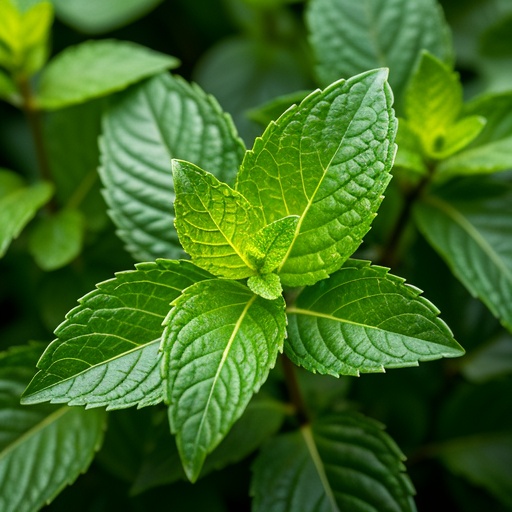 Peppermint tea is another excellent natural option for migraine relief. Peppermint has a refreshing and cooling effect that is immediately noticeable when you take a sip. Its main active ingredient, menthol, is like a natural painkiller. Menthol can have a numbing effect on pain receptors, similar to how a local anesthetic works at the dentist's office. When consumed as a tea, peppermint can help to relax the muscles in the head and neck. Tension in these muscles is often a significant contributing factor to migraines. Think about how you might clench your jaw or hunch your shoulders when you're stressed or concentrating too hard. Over time, this muscle tension can build up and trigger a migraine. Peppermint tea acts as a muscle relaxant, gently easing the tightness in these muscles. It's like giving your muscles a warm, comforting hug. In addition to its physical effects, the aroma of peppermint is a powerful tool for mental relaxation. Stress is a common trigger for migraines. In our modern, fast - paced lives, stress is almost inevitable. Whether it's work deadlines, family responsibilities, or financial worries, stress can take a toll on our bodies and minds. The soothing scent of peppermint can have a calming effect on the mind. It can transport you to a peaceful place, like a quiet meadow filled with peppermint plants. This relaxation can help to reduce stress levels, which in turn may reduce the likelihood and severity of migraines. For example, some people like to take a few deep breaths of peppermint essential oil when they feel a migraine coming on, and they find that it helps to ease their symptoms.
 One of the great advantages of both ginger tea and peppermint tea is their accessibility. You can easily find ginger and peppermint tea bags at your local grocery store or health food store. You can also make these teas from fresh ingredients at home. All you need is some fresh ginger root or peppermint leaves, boiling water, and a cup. This ease of access makes them a convenient option for anyone looking for a natural and gentle way to deal with migraines. In contrast to some over - the - counter medications, which can have side effects such as drowsiness, dizziness, or upset stomach, ginger and peppermint teas are generally well - tolerated. They are a natural alternative that can provide relief without the worry of harsh side effects. However, it's important to note that while these teas can be effective for many people, they may not work for everyone. Migraines are complex conditions, and individual responses to treatments can vary. If you're considering using these teas for migraine relief, it's a good idea to start with a small amount and see how your body reacts. You can gradually increase the amount if you find that it helps. Also, make sure to drink plenty of water along with the tea to stay hydrated, as dehydration can sometimes trigger migraines. In conclusion, ginger tea and peppermint tea offer a natural, accessible, and gentle way to combat migraines. Their unique properties, from anti - inflammatory and muscle - relaxing effects to stress - relieving aromas, make them valuable additions to the toolkit for migraine management. Whether you're a long - time migraine sufferer or someone who experiences occasional migraines, these teas are definitely worth a try.