The Health Benefits of Garlic: A Condiment for Your Heart
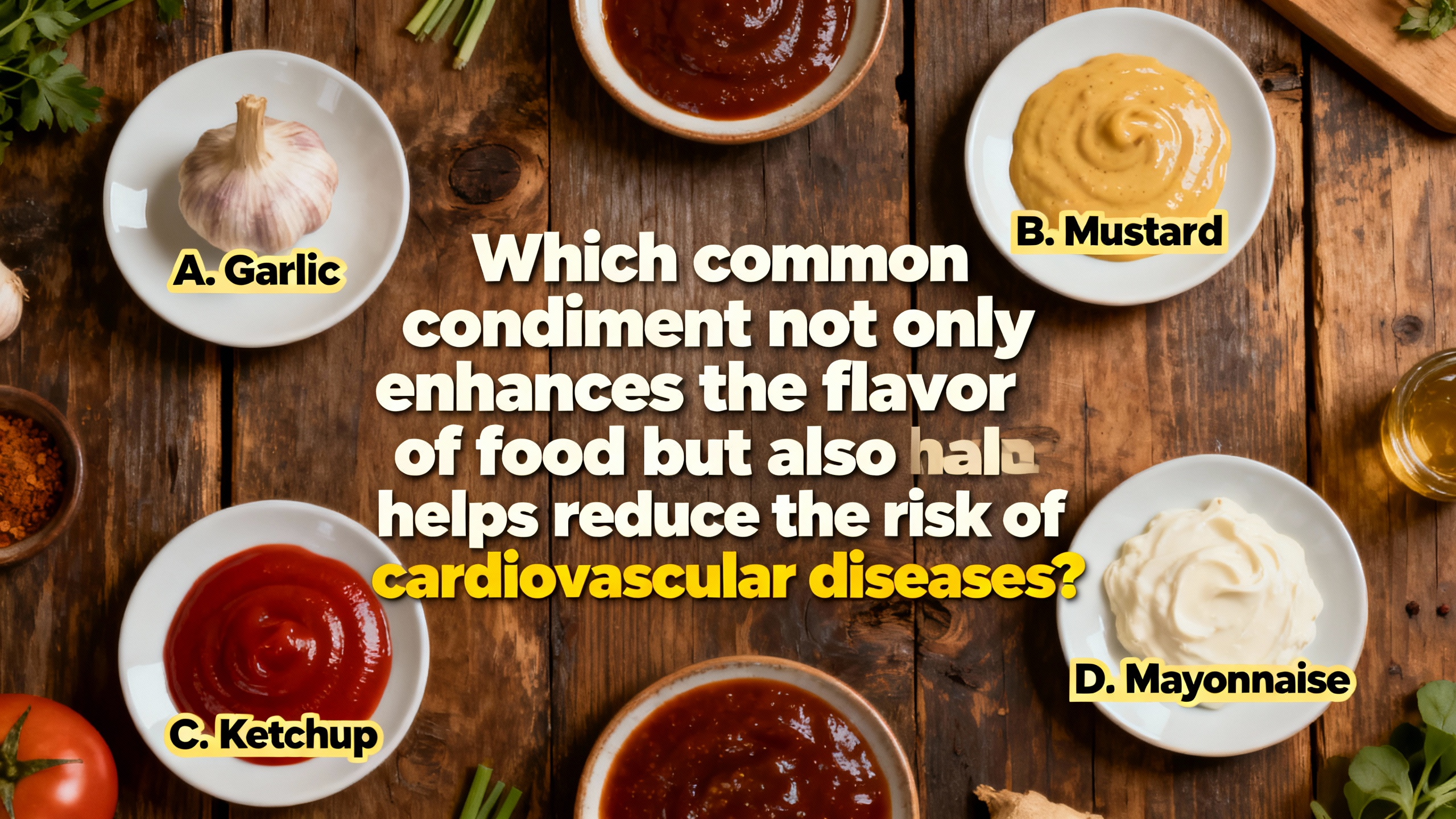
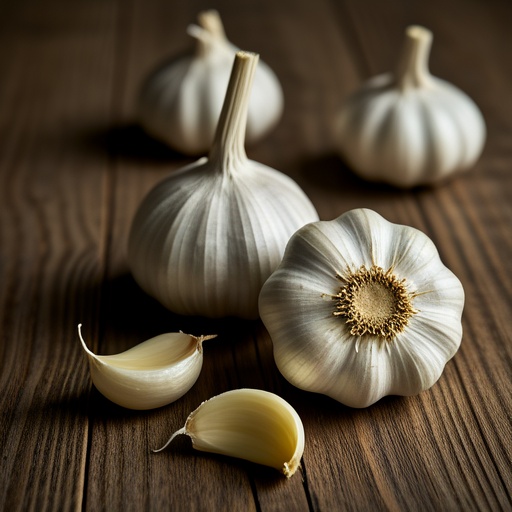 The common condiment that not only enhances the flavor of food but also helps reduce the risk of cardiovascular diseases is garlic. Garlic has been a part of human diets for thousands of years, with a rich history that dates back to ancient civilizations. The Egyptians, for example, used garlic not only in their cooking but also in religious ceremonies and as a form of currency. They believed that garlic had magical properties and could provide strength and protection to the laborers who built the pyramids. In ancient Greece, athletes would consume garlic before competitions, thinking it would enhance their performance. This long - standing use of garlic in different cultures is a testament to its value, both in terms of taste and potential health benefits.
 Garlic has long been used as a popular condiment in various cuisines around the world. It can add a unique and pungent flavor to dishes, whether it's in Italian pasta sauces, Asian stir - fries, or Middle - Eastern dips. In Italian cuisine, garlic is a staple ingredient in classic dishes like spaghetti aglio e olio, where the simple combination of garlic, olive oil, and pasta creates a delicious and aromatic meal. In Asian cooking, garlic is often paired with ginger and chili to add depth and heat to stir - fries. For example, in a traditional Chinese stir - fry of beef and broccoli, garlic provides a sharp and savory note that complements the other ingredients. In Middle - Eastern cuisine, garlic is a key component of hummus, a popular dip made from chickpeas, tahini, lemon juice, and of course, plenty of garlic. But beyond its culinary uses, garlic has significant health benefits, especially for the cardiovascular system.
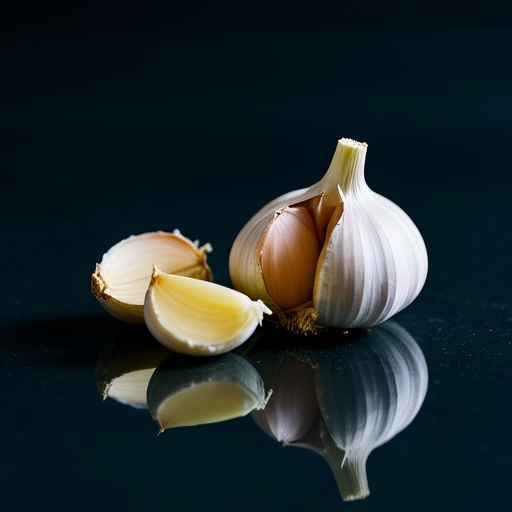 Scientific research has shown that garlic contains several bioactive compounds, such as allicin. Allicin is known for its antioxidant and anti - inflammatory properties. These properties play a crucial role in protecting the heart and blood vessels. When garlic is crushed or chopped, an enzyme called alliinase converts alliin, a compound naturally present in garlic, into allicin. This process is what gives garlic its characteristic smell and many of its health - promoting properties. For instance, garlic can help lower blood pressure. High blood pressure is a major risk factor for cardiovascular diseases. By relaxing the blood vessels, garlic allows blood to flow more smoothly, which in turn reduces the pressure on the arterial walls. To understand this better, think of blood vessels as pipes. When these pipes are constricted, the pressure inside increases. Garlic acts like a natural relaxant for these pipes, widening them and allowing blood to move through more easily. A study conducted on individuals with mild to moderate hypertension found that those who took garlic supplements experienced a significant reduction in their blood pressure over a period of several weeks. Additionally, garlic can also reduce cholesterol levels. It helps to lower the levels of low - density lipoprotein (LDL), often referred to as "bad cholesterol," while increasing the levels of high - density lipoprotein (HDL), or "good cholesterol." LDL cholesterol can build up in the arteries, forming plaques that narrow the blood vessels and increase the risk of heart attacks and strokes. HDL cholesterol, on the other hand, helps to remove excess cholesterol from the bloodstream and transport it back to the liver for processing and elimination. Garlic's ability to balance these two types of cholesterol is essential for maintaining a healthy cardiovascular system. Moreover, the anti - inflammatory effects of garlic can prevent the formation of arterial plaques, which are a common cause of heart attacks and strokes. Inflammation in the blood vessels can damage the inner lining, making it easier for cholesterol and other substances to stick and form plaques. By reducing inflammation in the blood vessels, garlic helps to keep them clear and functioning properly. For example, in animal studies, garlic extracts have been shown to reduce the levels of inflammatory markers in the blood, indicating a decrease in overall inflammation. This anti - inflammatory action can also have a positive impact on other aspects of health, such as reducing the risk of arthritis and other inflammatory conditions.
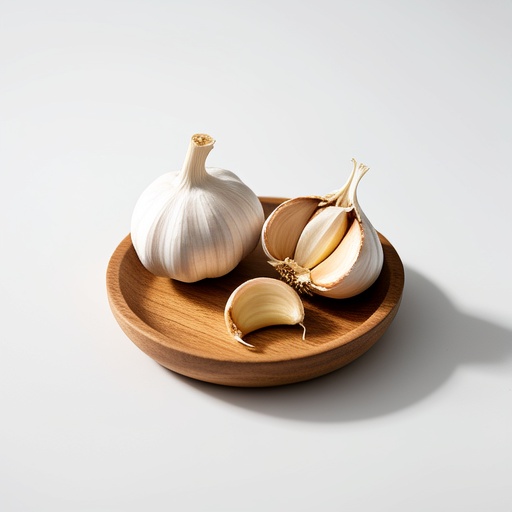 In addition to its cardiovascular benefits, garlic may also have other health - promoting effects. It has been suggested that garlic can boost the immune system. The antioxidants in garlic can help the body fight off infections and diseases. For example, during the cold and flu season, consuming garlic regularly may help reduce the severity and duration of symptoms. Some studies have also shown that garlic has antibacterial and antifungal properties. It can be effective against a variety of pathogens, including E. coli and Candida albicans. This makes garlic a natural alternative to some antibiotics and antifungal medications, although it should not replace medical treatment in serious cases. Another potential benefit of garlic is its role in cancer prevention. Some research has indicated that the compounds in garlic may help prevent the growth and spread of cancer cells. For instance, in studies on colon cancer, garlic has been shown to inhibit the growth of cancer cells and induce apoptosis, or programmed cell death. However, more research is needed to fully understand the extent of garlic's anti - cancer effects. When it comes to incorporating garlic into your diet, there are many ways to do so. Fresh garlic is the best option as it contains the highest levels of allicin. You can simply crush or chop fresh garlic and add it to your cooking at the beginning of the process to allow the flavors to develop. You can also make a garlic paste by blending garlic cloves with a little bit of olive oil, which can be used as a spread on bread or added to salad dressings. Garlic supplements are also available, but it's important to note that the quality and effectiveness of these supplements can vary. In conclusion, garlic is a remarkable condiment that not only enriches the taste of our food but also provides important health benefits, particularly in reducing the risk of cardiovascular diseases. Incorporating garlic into our daily diet can be a simple yet effective way to promote heart health. Whether you're a fan of Italian, Asian, or Middle - Eastern cuisine, there are countless delicious ways to enjoy the many benefits that garlic has to offer. So, the next time you're in the kitchen, don't forget to reach for that bulb of garlic and add a little extra flavor and health to your meal.