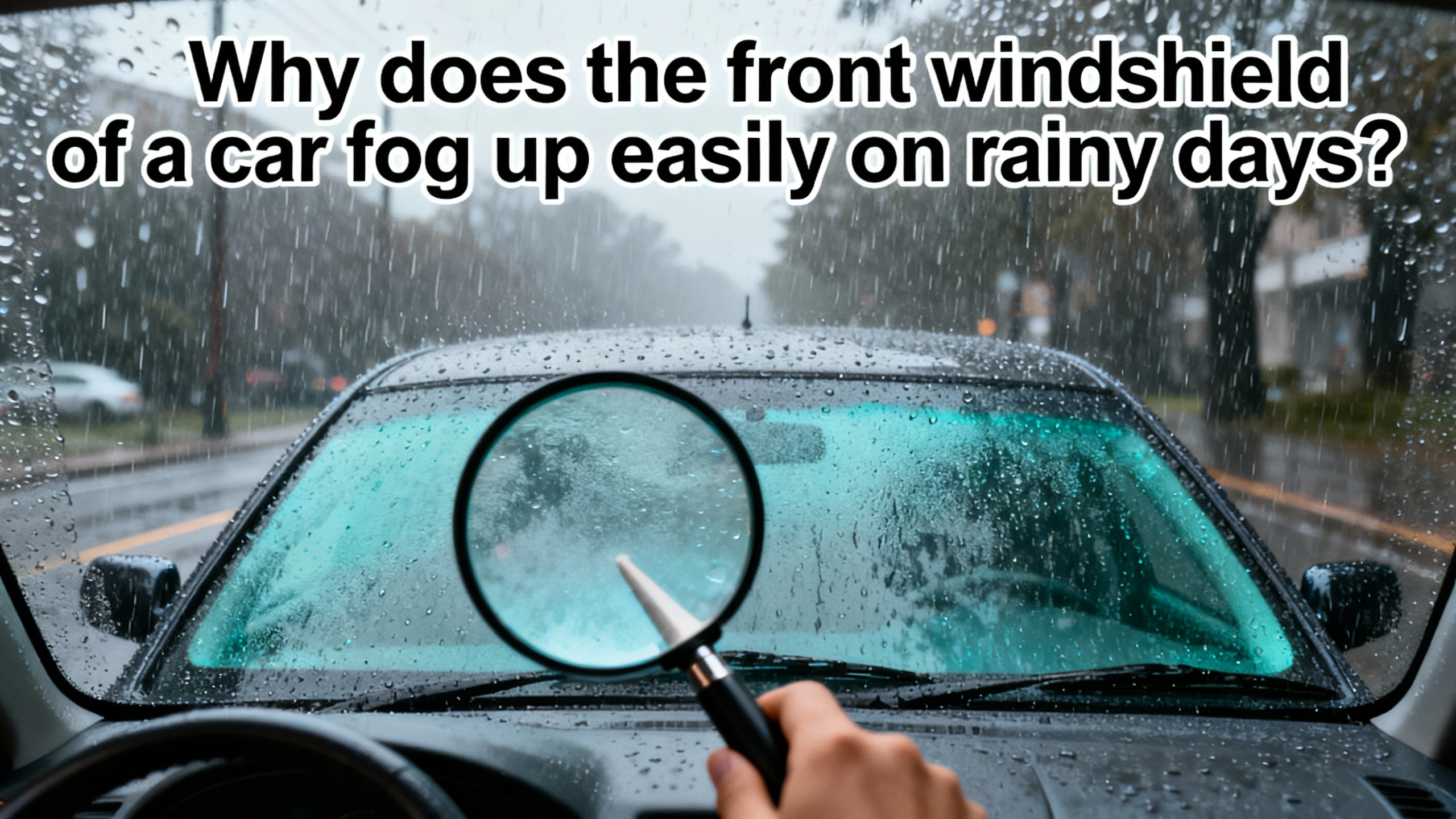
Why Does a Car's Front Windshield Fog Up on Rainy Days?
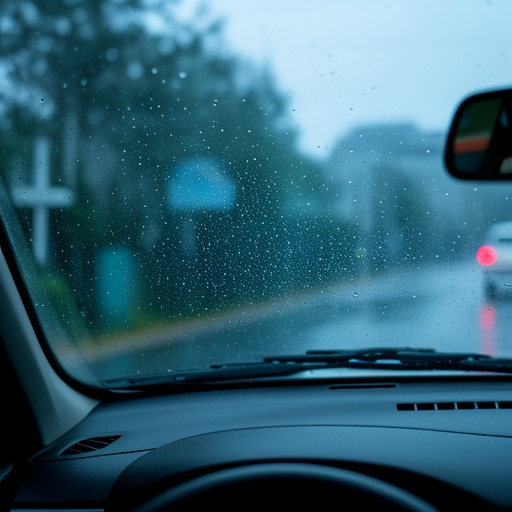 In our daily commutes and road trips, it's a rather common and somewhat frustrating sight to see the front windshield of a car fog up on rainy days. This seemingly simple occurrence can actually be delved into from the perspectives of physics principles and the unique environment both inside and outside the vehicle. Understanding why this happens is not only a matter of satisfying our curiosity but also crucial for ensuring safe driving conditions.
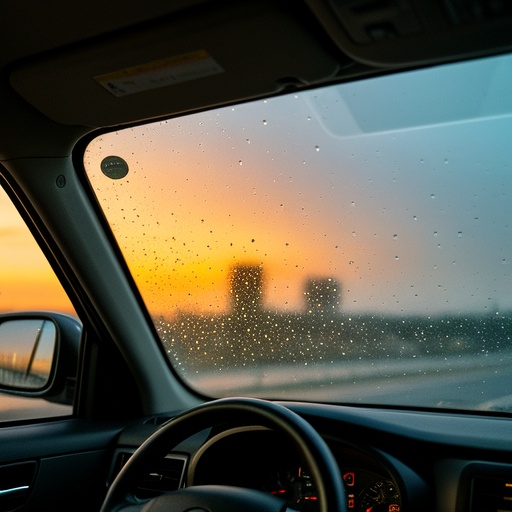 The root cause of the windshield fogging lies in the condensation of water vapor. To fully grasp this concept, let's first understand the basic principles of thermodynamics at play. On rainy days, the external environment is typically cooler. The raindrops falling from the sky cool down the air and the surfaces they come into contact with, including the car's exterior. In contrast, the interior of the car is a relatively enclosed space. When people are inside the car, they are constantly breathing out warm and moist air. Each breath we take contains a significant amount of water vapor. For example, on a cold and damp day, you can actually see your breath as it exits your mouth because the water vapor in it condenses in the cold air. Similarly, in a car, this warm and moist exhaled air is a major source of moisture.
Moreover, there can be other sources of moisture inside the car. If passengers have wet clothes from being out in the rain, the water on the clothes will gradually evaporate into the air inside the car. Even wet umbrellas placed in the car can contribute to the increase in humidity. When this warm and moist air inside the car comes into contact with the cold windshield, a critical process occurs. According to the principles of thermodynamics, the air near the windshield cools down rapidly. As the temperature of the air drops, its capacity to hold water vapor decreases. Think of air as a sponge that can hold a certain amount of water. When the air is warm, it can hold more water vapor, just like a dry sponge can absorb more water. But as the air cools, it becomes like a saturated sponge that can no longer hold as much water. Once the air is cooled to its dew - point temperature, which is the temperature at which the air becomes saturated with water vapor, the excess water vapor in the air will condense into tiny water droplets on the surface of the windshield. These countless tiny water droplets form a layer of fog, obstructing the driver's view.
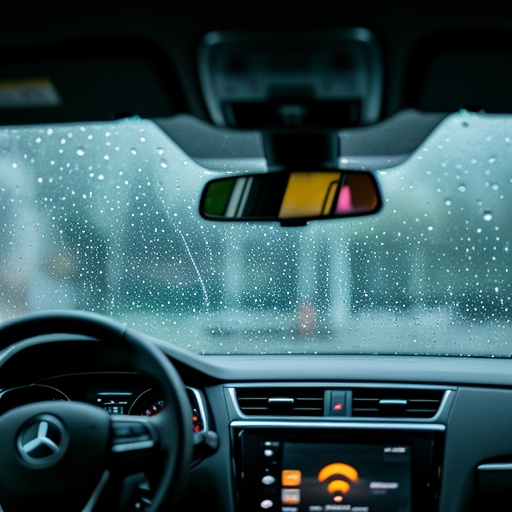 Another significant factor contributing to windshield fogging is the difference in air circulation inside and outside the car. On rainy days, it's a natural instinct for drivers to close the windows to keep the rain out. While this keeps the interior dry, it also has a negative impact on air exchange. Without proper ventilation, the moisture - rich air inside the car has no effective way to be discharged. It just keeps circulating within the confined space of the car and continuously accumulates near the windshield. As more and more moisture - laden air gathers around the windshield, the probability and degree of fogging increase significantly.
To illustrate this point, imagine a room with poor ventilation on a humid day. The air inside the room will become stuffy and the humidity will rise. Similarly, in a car with closed windows, the moisture - rich air has nowhere to go. In addition, the cooling effect of the rain on the outer surface of the windshield makes the temperature difference between the inside and outside of the glass more pronounced. This greater temperature difference further promotes the condensation of water vapor. The cold outer surface of the windshield acts as a perfect surface for the warm, moist air inside the car to cool down rapidly and condense. It's like when you take a cold can of soda out of the fridge on a hot and humid day. Condensation forms on the outside of the can because the cold surface of the can causes the warm and moist air around it to cool down and the water vapor to condense.
There are also some other factors that can influence the fogging process. The type of glass used in the windshield can play a role. Some windshields may have better heat - transfer properties than others. A windshield that conducts heat more efficiently will cool down faster on a rainy day, increasing the likelihood of fogging. The number of passengers in the car also matters. More passengers mean more people breathing out warm and moist air, which will increase the humidity inside the car and make the windshield more prone to fogging. Additionally, the use of certain car accessories can affect the humidity levels. For example, if you have a humidifier in the car, it will add more moisture to the air and exacerbate the fogging problem.
 In conclusion, the combination of the temperature difference between the inside and outside of the car and the accumulation of moisture - rich air inside the car due to limited air circulation are the main reasons why the front windshield of a car is prone to fogging on rainy days. By understanding these reasons, drivers can take appropriate measures to prevent or reduce fogging, such as using the car's defroster, cracking the windows slightly for better ventilation, or using anti - fogging products on the windshield. This knowledge not only helps us deal with the inconvenience of a foggy windshield but also contributes to safer driving on rainy days.