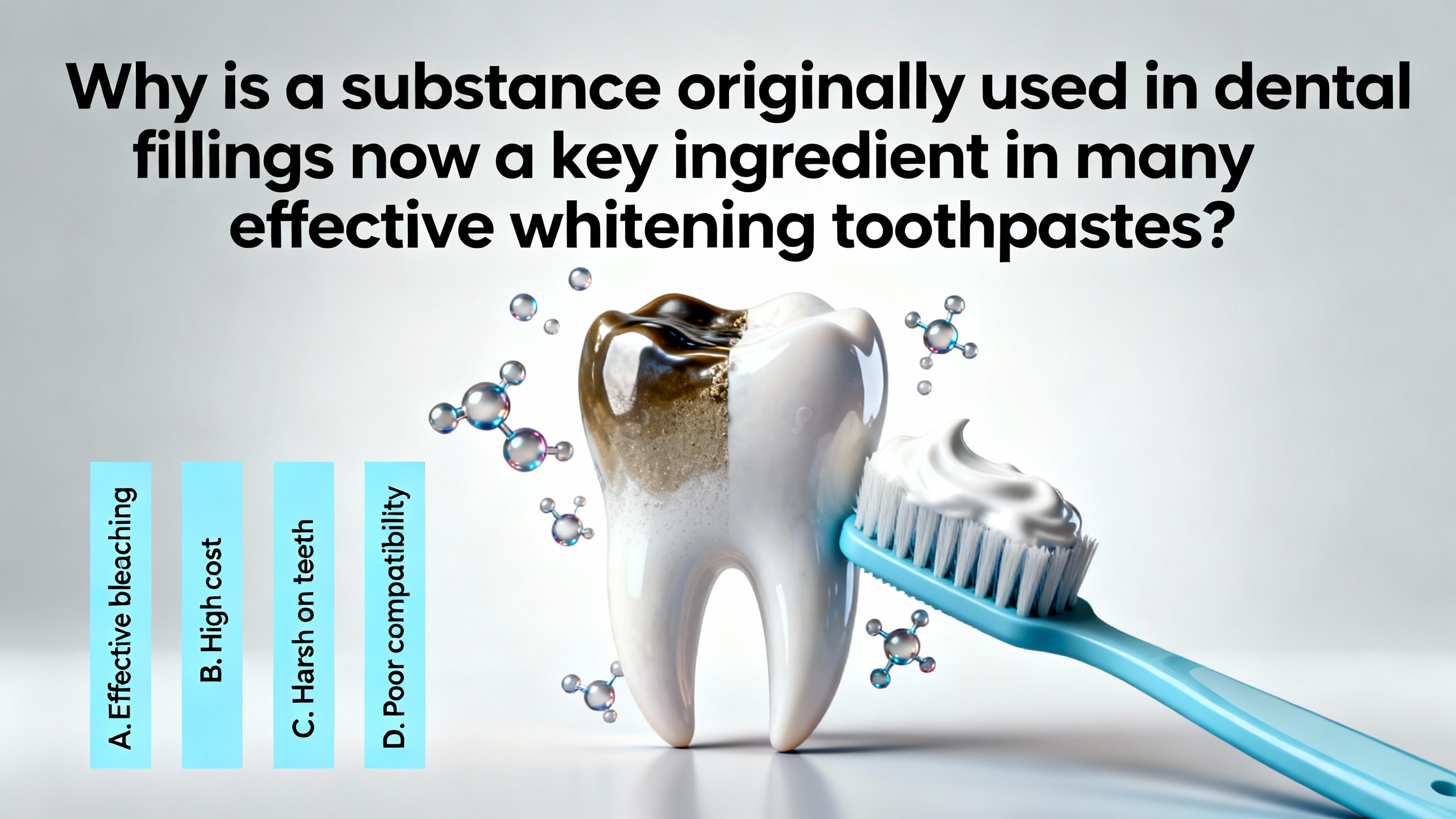
The Versatile Use of Calcium Peroxide in Oral Care
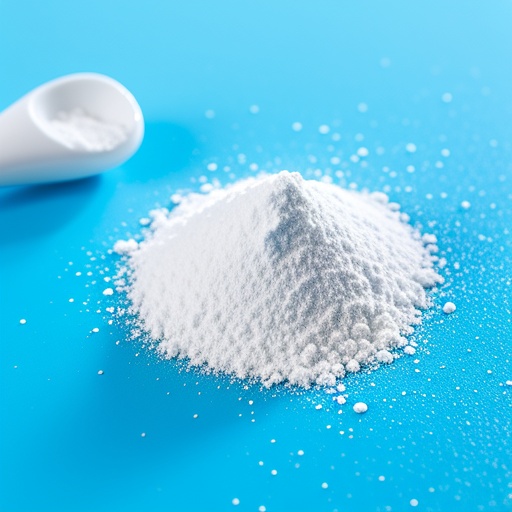 The substance we are delving into here is calcium peroxide. In the early days of oral care, calcium peroxide found its first significant application in dental fillings. Its stability was a key factor in this usage. Dental fillings need to withstand the constant mechanical forces exerted during chewing, biting, and grinding. Calcium peroxide's stable molecular structure allowed it to maintain its integrity within the filling, ensuring that the filling remained intact and functional for an extended period. Moreover, its chemical properties were well - suited for the dental environment. It was resistant to the acidic conditions often present in the mouth due to the breakdown of food and the presence of bacteria. This resistance meant that the dental filling would not degrade easily, providing long - term protection for the tooth. For example, in cases where a tooth had a small cavity, a filling made with calcium peroxide could seal the cavity effectively, preventing further decay and protecting the sensitive inner layers of the tooth. However, as research in oral care advanced, a new and exciting potential of calcium peroxide was uncovered - its use in teeth - whitening. This discovery opened up a whole new avenue for the application of this compound. It led to calcium peroxide becoming a common ingredient in toothpastes, which are used by millions of people around the world on a daily basis.
Calcium peroxide's unique chemical characteristics are what make it such an excellent teeth - whitening agent. When it comes into contact with saliva in the mouth, a chemical reaction occurs. Saliva contains water and various electrolytes, which provide the right environment for the decomposition of calcium peroxide. As it decomposes, it releases oxygen. This oxygen is the key to the teeth - whitening process. The enamel and dentin of our teeth are porous structures. The oxygen released by calcium peroxide can penetrate these pores. Once inside, it targets the chromogenic substances that cause teeth to appear yellow or discolored. These chromogenic substances can come from a variety of sources. For instance, consuming coffee, tea, red wine, or smoking can all lead to the deposition of stains on the teeth. The oxygen acts as a bleaching agent, breaking down these stains at a molecular level. It oxidizes the chromogenic molecules, changing their chemical structure and making them less visible. One of the most significant advantages of calcium peroxide over other bleaching agents is its mildness. Many teeth - whitening products on the market can cause tooth sensitivity. This sensitivity can be quite uncomfortable for users, sometimes even preventing them from using the product regularly. Tooth sensitivity occurs when the bleaching agent penetrates too deeply into the tooth and irritates the nerve endings. Calcium peroxide, being relatively mild, has a lower risk of causing this side - effect. It can whiten teeth effectively without over - stimulating the nerves, allowing users to achieve a brighter smile without the pain and discomfort often associated with other whitening methods.
Another reason for the widespread popularity of calcium peroxide in toothpastes is its compatibility with other toothpaste ingredients. Toothpaste is a complex formulation that contains a variety of components, each with its own specific function. Abrasives are used to remove plaque and surface stains from the teeth. Flavorings are added to make the toothpaste taste pleasant, encouraging users to brush their teeth regularly. Fluoride is an essential ingredient for preventing cavities by strengthening the enamel. Calcium peroxide can be easily incorporated into this complex mixture without causing any adverse reactions. It does not react with the abrasives, ensuring that the cleaning power of the toothpaste remains intact. It also does not interfere with the flavorings, so the toothpaste still has a pleasant taste. And most importantly, it does not affect the effectiveness of fluoride. This compatibility allows toothpaste manufacturers to create multi - functional products. For example, a toothpaste containing calcium peroxide can not only whiten teeth but also clean them thoroughly. The abrasives in the toothpaste can remove the surface dirt and debris, while the calcium peroxide works on the deeper stains. At the same time, the fluoride in the toothpaste protects the teeth from cavities, and the flavorings make the brushing experience more enjoyable. Compared to some professional teeth - whitening treatments, toothpastes with calcium peroxide offer a great deal of convenience and cost - effectiveness. Professional teeth - whitening treatments often involve multiple visits to the dentist's office. These visits can be time - consuming, as patients may need to sit through long - duration treatments. Additionally, these treatments can be quite expensive. The cost of a professional teeth - whitening session can range from a few hundred to over a thousand dollars, depending on the location and the type of treatment. On the other hand, toothpastes containing calcium peroxide are readily available in supermarkets, drugstores, and online. They are relatively inexpensive and can be used at home as part of the daily oral hygiene routine. Consumers can simply brush their teeth with the toothpaste as they normally would, and over time, they can notice a significant improvement in the whiteness of their teeth. This convenience and cost - effectiveness make calcium peroxide - containing toothpastes a popular choice for people who want to maintain and enhance the whiteness of their teeth on a regular basis.
In conclusion, the shift from using calcium peroxide in dental fillings to using it in whitening toothpastes is a remarkable example of how scientific research can lead to the discovery of new applications for existing substances. Its effective bleaching properties, mildness, compatibility with other ingredients, and the convenience it offers to consumers have all contributed to this transformation. This shift not only benefits consumers by providing them with a better oral care option but also showcases the potential for substances to find new and valuable applications in different areas of oral care. As research continues, it is possible that calcium peroxide may find even more uses in the future, further enhancing its role in maintaining and improving oral health.