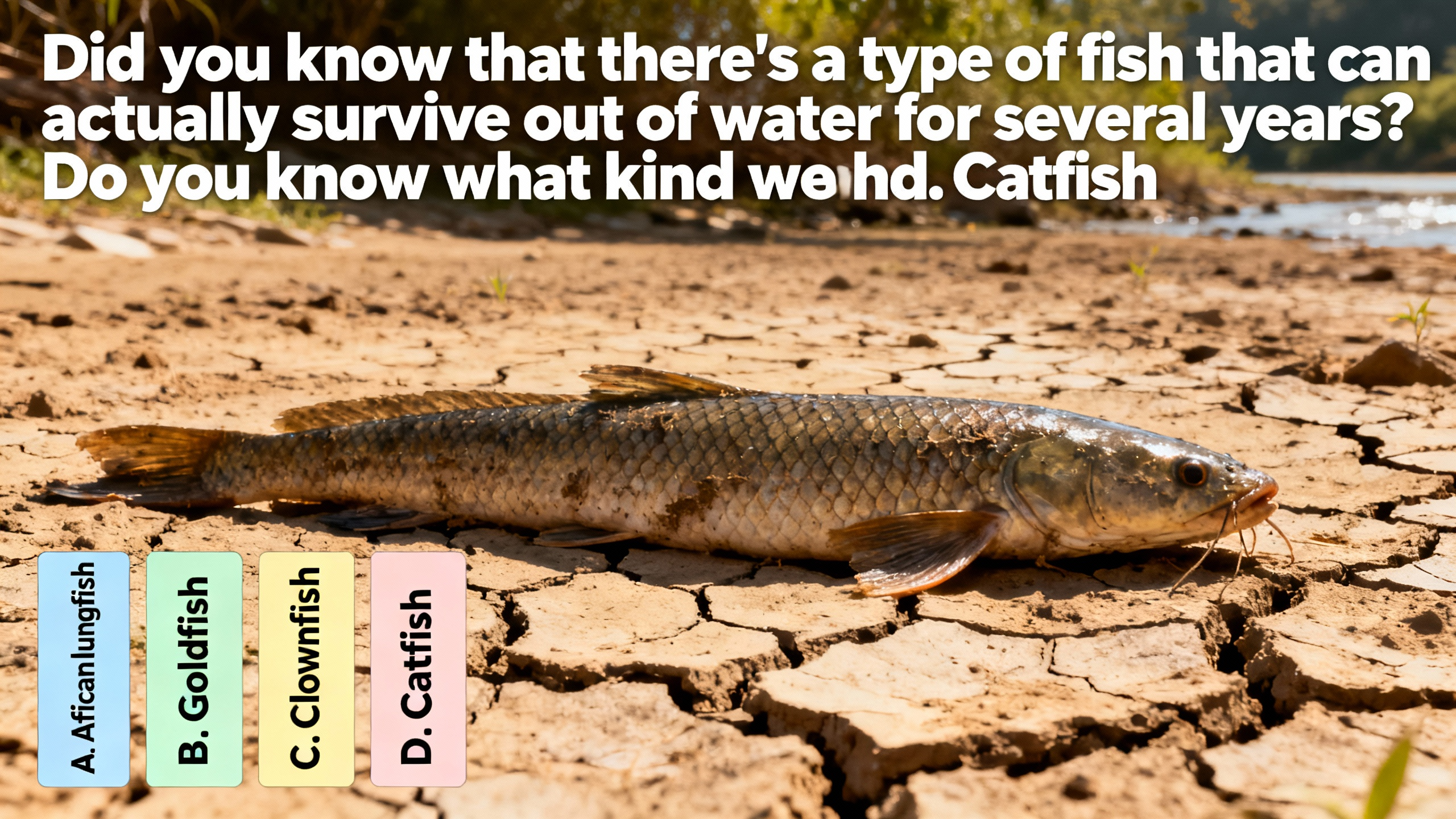
Fish That Can Survive Out of Water for Several Years
 It might seem like a fantastical concept, but there truly is a type of fish that can survive out of water for several years. This extraordinary fish is the African lungfish. In the vast and diverse world of aquatic life, the African lungfish stands out as a true marvel of evolution. It has developed a set of unique adaptations that are nothing short of amazing, enabling it to endure long - drawn - out periods outside of its natural aquatic home.
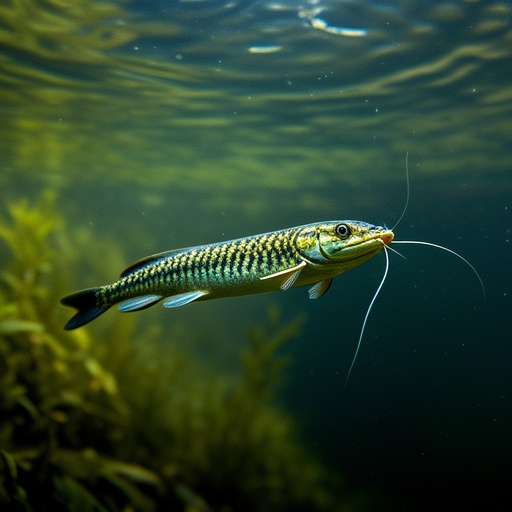 The African lungfish is a member of the family Protopteridae. It calls the freshwater habitats of Africa its home. These habitats can vary greatly, from slow - moving rivers and streams to shallow ponds and marshes. The African continent is known for its extreme climate variations, with distinct wet and dry seasons. This unpredictable environment has forced the African lungfish to evolve in order to survive. One of the most crucial features that sets the African lungfish apart from the majority of other fish is its lung - like organ. Most fish rely entirely on their gills to extract oxygen from water. However, the African lungfish has a modified swim bladder. This swim bladder has transformed over time to function as a primitive lung. This adaptation is a game - changer for the fish. When water conditions become unfavorable, such as during a drought when water sources start to dry up, the fish can switch from using its gills to breathing air directly from the atmosphere. During the dry season, as water bodies shrink and eventually dry up completely, the African lungfish takes extraordinary measures to survive. It uses its strong pectoral fins to burrow deep into the mud at the bottom of the shrinking water source. Once it has found a suitable spot, it secretes a thick mucus cocoon around itself. This mucus cocoon serves multiple important functions. Firstly, it acts as a barrier against the harsh external environment. It helps to prevent the fish from losing moisture and dehydrating. Secondly, it provides a moist micro - environment inside, which is essential for the fish's survival. The cocoon also protects the fish from potential predators that might be prowling around the dry riverbeds.
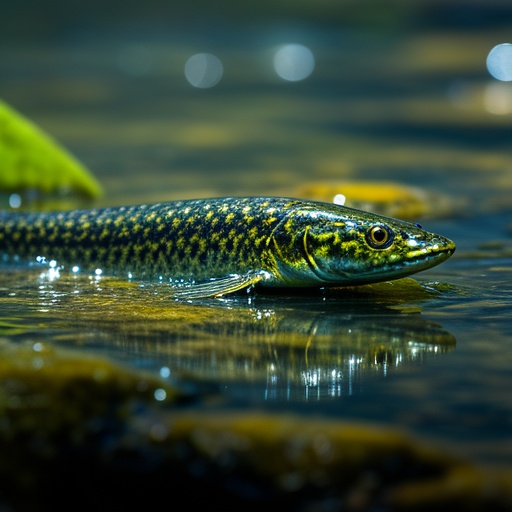 Another remarkable adaptation of the African lungfish is its ability to enter a state of estivation. Estivation is similar to hibernation but occurs in response to hot and dry conditions rather than cold. When the water dries up and the fish is forced to burrow into the mud, it enters this dormant state. During estivation, the fish's metabolic rate slows down significantly. To understand the importance of this, we need to know that metabolism is the set of chemical reactions that occur in an organism to maintain life. These reactions require energy and oxygen. By slowing down its metabolic rate, the African lungfish reduces its need for both oxygen and energy. For example, its heart rate drops to a fraction of its normal rate, and its digestive system almost shuts down. This allows the fish to conserve its limited resources. It can survive for extended periods without food or water because it is using energy at a much slower pace. The African lungfish can remain in this dormant state for an astonishingly long time, up to several years. It is like being in a state of suspended animation. The fish waits patiently, conserving every bit of energy it has, until the rains return. When the rains come and the water levels in the rivers, ponds, and marshes start to rise again, the fish senses the change in its environment. It then emerges from its burrow, breaking through the mucus cocoon, and resumes its normal activities.
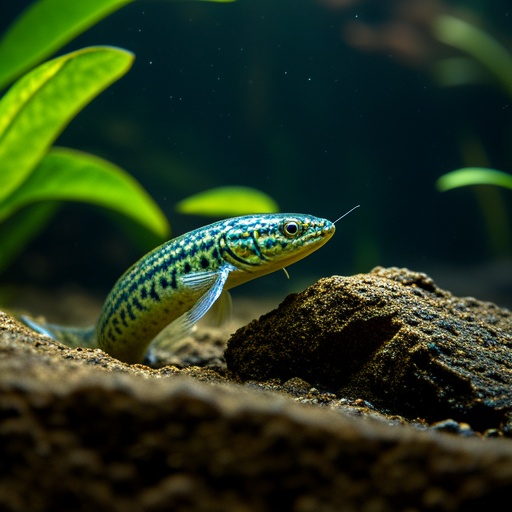 Scientists have been studying the African lungfish for many years to understand the mechanisms behind its amazing survival abilities. They have found that the fish's ability to switch between gill - based and lung - based respiration is controlled by a complex set of physiological and biochemical processes. When the fish is in water, its gills are fully functional, extracting oxygen from the water. But as the water levels drop and the oxygen content in the water decreases, the fish's body starts to produce certain hormones and enzymes that trigger the use of its lung - like organ. The mucus cocoon that the fish secretes also has interesting properties. It contains antibacterial and antifungal agents. These agents protect the fish from infections while it is in its dormant state. The cocoon also has a semi - permeable nature, allowing a small amount of gas exchange to occur, which is crucial for the fish to obtain a minimal amount of oxygen even when buried in the mud. The African lungfish's ability to survive out of water for several years has significant ecological implications. In the African freshwater ecosystems, it plays an important role as a predator and a prey. During the wet season, it feeds on a variety of small invertebrates, fish, and plant matter. Its presence helps to control the populations of these organisms in the ecosystem. When the dry season comes and it enters estivation, it is still a part of the ecosystem. Its burrowing activity can aerate the mud, which is beneficial for the growth of certain microorganisms.
In conclusion, the African lungfish's ability to survive out of water for several years is a remarkable feat of evolution. Its unique physiological adaptations, including the lung - like organ and the ability to enter a state of estivation, have allowed it to thrive in the challenging and unpredictable environments of Africa's freshwater habitats. These adaptations not only ensure the survival of the individual fish but also contribute to the overall balance and health of the African freshwater ecosystems. As we continue to study this amazing fish, we are likely to uncover even more secrets about its survival strategies and the complex web of life in which it is a part.