Exercises More Effective Than Running for Heart Health
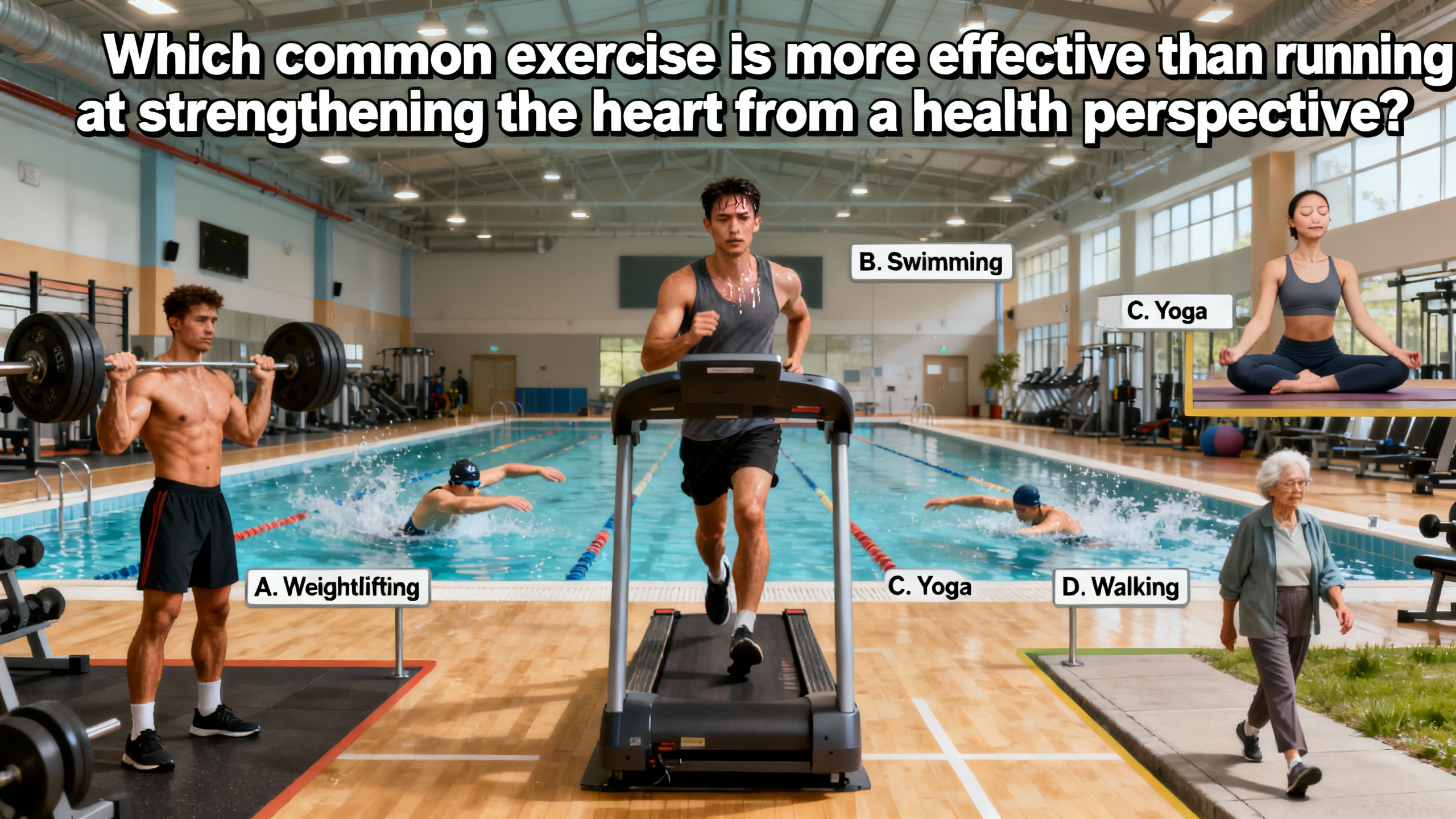
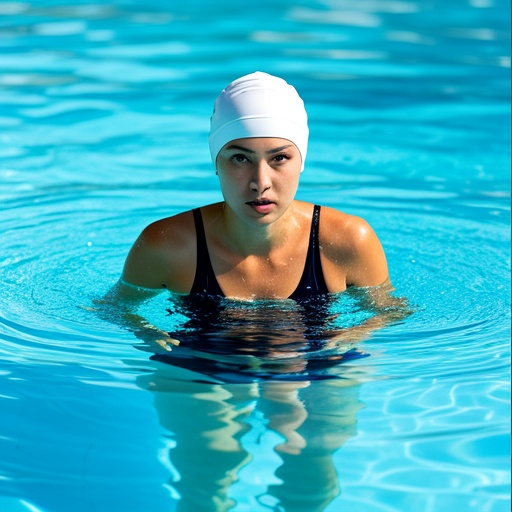 When it comes to heart health, running is often one of the first exercises that comes to mind. However, from a health perspective, there are other common exercises that can be more effective than running in strengthening the heart. One such exercise is swimming.
Swimming is a remarkable full - body workout that engages multiple muscle groups simultaneously. As you glide through the water, your arms, shoulders, back, chest, and legs are all in action. For instance, when performing the freestyle stroke, your arms pull you forward through the water, engaging the deltoids, biceps, and triceps. Your legs kick rhythmically, working the quadriceps, hamstrings, and calves. This comprehensive muscle engagement means that your heart has to pump blood to supply oxygen to these working muscles. Unlike running, which is a high - impact exercise, swimming is low - impact. When you run, with each step, your body experiences a force that is several times your body weight. This can put a lot of stress on your joints, especially the knees, ankles, and hips. On the other hand, in water, the buoyancy supports your body weight, reducing the stress on joints. This allows individuals with joint problems, such as arthritis or previous joint injuries, to exercise for longer periods. For example, an elderly person with knee arthritis may find it difficult to run for more than a few minutes due to the pain, but they can swim for half an hour or more without experiencing excessive joint discomfort.
The continuous, rhythmic movement in swimming helps to improve cardiovascular endurance. As you swim laps, your heart is constantly working to meet the body's oxygen demands. Over time, the heart muscle adapts to this increased workload. It becomes more efficient at pumping blood, which can lead to a lower resting heart rate. A lower resting heart rate is an indicator of a stronger and more efficient heart. For example, a person who starts swimming regularly may notice that their resting heart rate, which was initially 80 beats per minute, drops to 60 beats per minute after a few months of consistent swimming. This means that the heart doesn't have to work as hard to maintain normal bodily functions.
 Moreover, swimming also has a positive impact on blood pressure. When you swim, your blood vessels dilate to allow for better blood flow. This helps to reduce the resistance in the blood vessels, which in turn can lower blood pressure. High blood pressure is a major risk factor for heart disease, so by lowering blood pressure, swimming contributes significantly to heart health. Additionally, swimming can improve the flexibility of blood vessels. As the heart pumps more blood during swimming, the blood vessels are stretched and become more elastic. This elasticity is crucial for maintaining healthy blood flow and reducing the risk of blood clots.
 Another exercise that may be more effective than running for heart health is cycling, especially when done at a moderate to high intensity. Cycling can be adjusted to different levels of difficulty, making it accessible to a wide range of people. You can choose to cycle on flat terrain for a more leisurely ride or tackle hilly areas for a more intense workout. For beginners, a flat bike path in a park can be a great starting point. As they build their fitness, they can gradually move on to more challenging routes. When cycling, the large muscles in the legs are actively working. The quadriceps, hamstrings, and glutes are constantly contracting and relaxing as you pedal. This requires a significant amount of oxygen, and the heart has to increase blood circulation to support these muscles. Similar to swimming, cycling is also a relatively low - impact exercise. When you cycle, the seat supports your body weight, and the movement is more fluid compared to the jarring impact of running. This reduces the risk of injury compared to running, allowing for more consistent training. For example, a person who is prone to shin splints from running may find that cycling is a pain - free alternative and can continue to train regularly.
Regular cycling can improve the heart's ability to pump blood. As you cycle at a moderate to high intensity, your heart rate increases, and the heart pumps more blood with each beat. This strengthens the heart muscle over time. Cycling also has a positive effect on blood vessel flexibility. The increased blood flow during cycling helps to keep the blood vessels elastic and healthy. Additionally, cycling can lower blood pressure. When you cycle, your body releases endorphins, which are natural mood - lifters. These endorphins also have a relaxing effect on the blood vessels, helping to reduce blood pressure. All these factors contribute to better heart health and make cycling a great alternative to running for strengthening the heart.
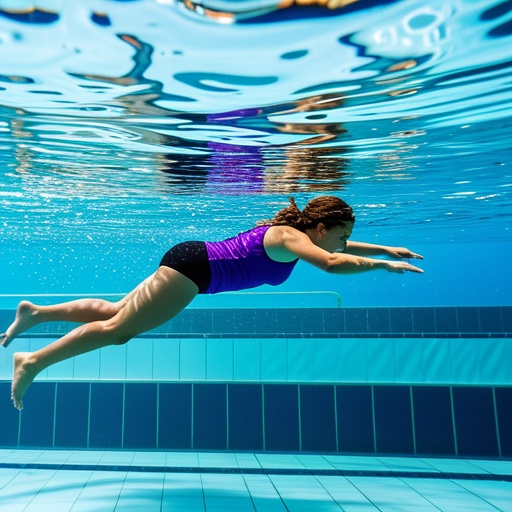 In conclusion, both swimming and cycling offer unique advantages over running in terms of heart - strengthening. They provide a lower - impact way to exercise while still effectively challenging the cardiovascular system. Whether you are looking to improve your heart health, recover from an injury, or simply diversify your exercise routine, swimming and cycling are excellent choices. By incorporating these exercises into your regular fitness regimen, you can experience significant improvements in heart health and overall well - being. For example, you could swim on Mondays, Wednesdays, and Fridays, and cycle on Tuesdays and Thursdays. This combination would give your body a variety of workouts while continuously challenging your heart and improving your cardiovascular fitness.