Hidden Sugar in Apparently Healthy Snacks
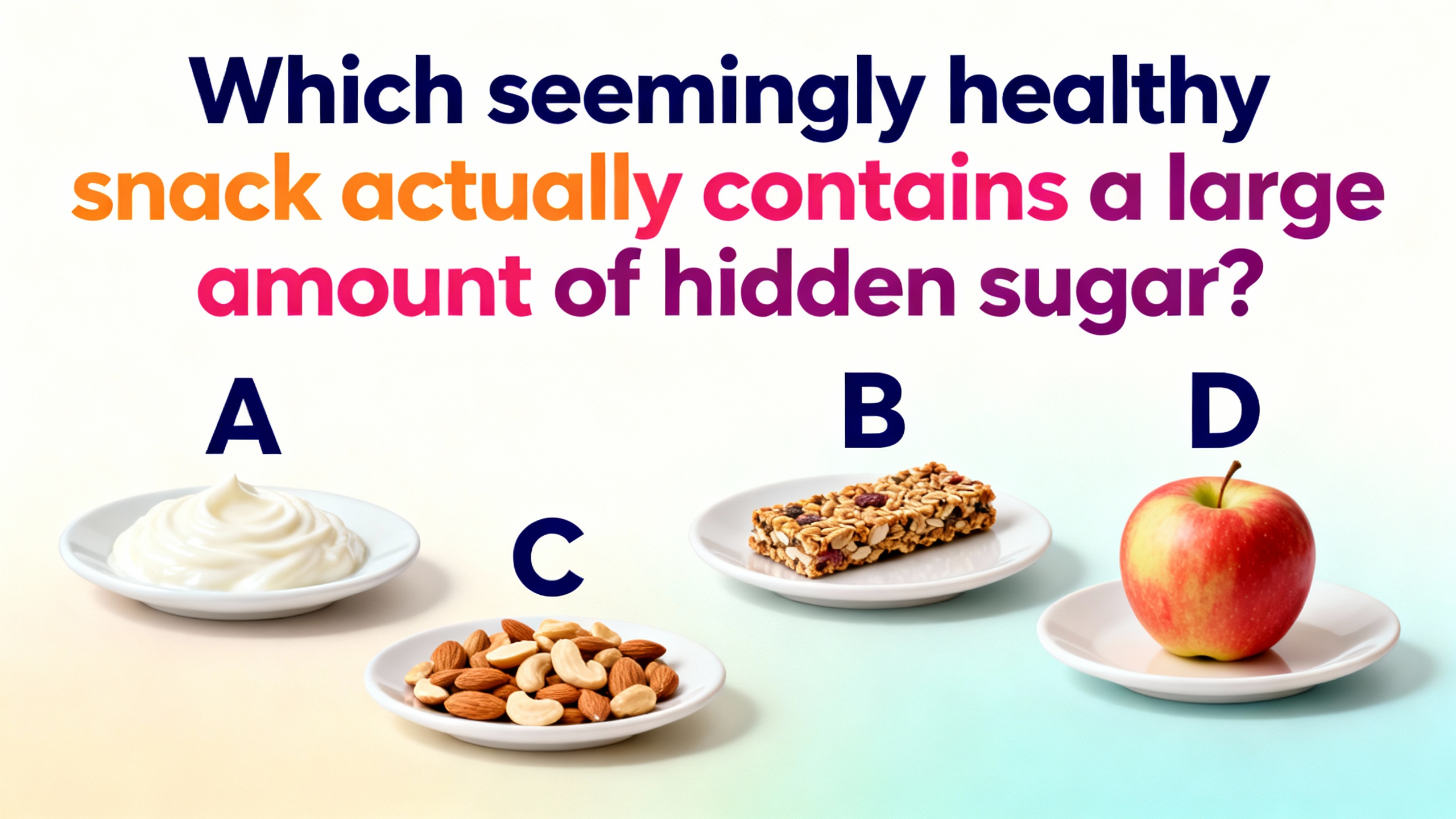
 In today's health - conscious world, many of us are constantly on the lookout for snacks that are both convenient and nutritious. However, we often fall into the trap of believing that certain snacks are healthy when, in fact, they are loaded with hidden sugar. One such example is flavored yogurt. Yogurt has long been hailed as a superfood, and for good reason. It is a rich source of protein, which is essential for building and repairing muscles. Calcium, another key nutrient found in yogurt, is crucial for maintaining strong bones and teeth. Many people reach for yogurt as a quick and easy snack, thinking they are making a healthy choice.
But here's the catch. Flavored yogurts, especially those with fruit - on - the - bottom or pre - sweetened varieties, can have a shockingly high sugar content. Manufacturers are well - aware that consumers have a sweet tooth, and they add a significant amount of sugar to enhance the flavor of these yogurts. A single serving of some popular flavored yogurts can contain as much sugar as a small candy bar. The sugar can come in various forms, such as high - fructose corn syrup, cane sugar, or fruit concentrates. High - fructose corn syrup, for example, is a common sweetener used in the food industry because it is cheap and has a long shelf - life. Cane sugar, on the other hand, is a more natural - sounding option but is still a form of added sugar. Fruit concentrates may seem healthy, but they are often highly processed and can contain a large amount of sugar.
Even when the label mentions "natural flavors" or "real fruit," it doesn't necessarily mean the product is low in sugar. The added sugars can quickly pile up, contributing to excessive calorie intake. When we consume too many calories from sugar, our bodies store the excess as fat, which can lead to weight gain. Moreover, a high - sugar diet can cause blood sugar spikes. Our bodies respond to these spikes by releasing insulin, a hormone that helps regulate blood sugar levels. Over time, frequent blood sugar spikes can lead to insulin resistance, a condition that is a precursor to type 2 diabetes.
 Let's take a closer look at the manufacturing process of flavored yogurt. To make the yogurt more appealing, manufacturers often add fruit purees or syrups. These additions not only add flavor but also a significant amount of sugar. For example, a strawberry - flavored yogurt may contain a strawberry puree that has been sweetened with additional sugar to make it taste more intense. In some cases, the sugar content in the added fruit component can be higher than the natural sugar content of the yogurt itself.
Another factor to consider is the marketing of flavored yogurt. Advertisements often focus on the health benefits of yogurt, such as its probiotic content, while downplaying the high sugar content. Consumers are bombarded with images of fresh fruits and healthy - looking yogurt, which creates a false perception of the product's nutritional value. It's important for consumers to read the nutrition labels carefully and be aware of the sugar content before making a purchase.
 Granola bars are another common culprit when it comes to hidden sugar. These bars are frequently marketed as a convenient and healthy on - the - go snack. They often feature oats, nuts, and dried fruits, which give the impression of being nutritious. Oats are a great source of fiber, which helps keep our digestive system healthy and can also make us feel full. Nuts are rich in healthy fats, protein, and vitamins. Dried fruits, while they do contain some nutrients, can also be high in sugar.
However, many commercial granola bars are packed with added sugars. To make them taste good and have a longer shelf - life, manufacturers add syrups, honey, or other sweeteners. Syrups, such as corn syrup or maple syrup, are commonly used because they are sticky and help hold the granola bar together. Honey, although it is a natural sweetener, still contains a significant amount of sugar. Some granola bars can have up to 20 grams of sugar per bar, which is a substantial amount, especially if you're trying to watch your sugar consumption.
The combination of the high sugar content and relatively high calorie density makes granola bars less of a healthy option than they seem at first glance. For example, if you're on a calorie - restricted diet and you think you're making a healthy choice by having a granola bar, you may be consuming far more calories and sugar than you realize. Additionally, the high sugar content can cause a rapid increase in blood sugar levels, followed by a crash, leaving you feeling tired and hungry again soon after eating the bar.
 Lastly, fruit juices, especially those labeled as "100% fruit juice," can also be high in hidden sugar. While they do contain some vitamins and antioxidants from the fruits, they lack the fiber that whole fruits provide. Fiber is an important part of our diet as it slows down the digestion process and helps us feel full. When we drink fruit juice, the natural sugars in the juice are quickly absorbed into the bloodstream, causing a rapid increase in blood sugar levels.
Moreover, some fruit juices may have additional sweeteners added during the processing. For instance, a large glass of apple juice can contain as much sugar as several apples, but without the satiety - inducing fiber. This can lead to overconsumption of sugar and contribute to health problems in the long run. Drinking fruit juice regularly can also increase the risk of tooth decay, as the sugar in the juice can stick to the teeth and provide a breeding ground for bacteria.
It's important to note that not all fruit juices are created equal. Some freshly squeezed juices without added sugars can be a better option, but they still lack the fiber of whole fruits. When choosing fruit juice, it's advisable to look for those that are 100% juice with no added sugars and to consume them in moderation. Instead of relying on fruit juice for our daily fruit intake, it's better to eat whole fruits, which provide a more balanced nutritional profile.
In conclusion, it's essential to be vigilant when choosing snacks. Just because a snack appears healthy on the surface doesn't mean it is. By reading nutrition labels carefully and being aware of the different forms of sugar, we can make more informed choices and avoid the hidden sugar trap in apparently healthy snacks.