Hidden Calorie Bombs in Common Breakfast Foods
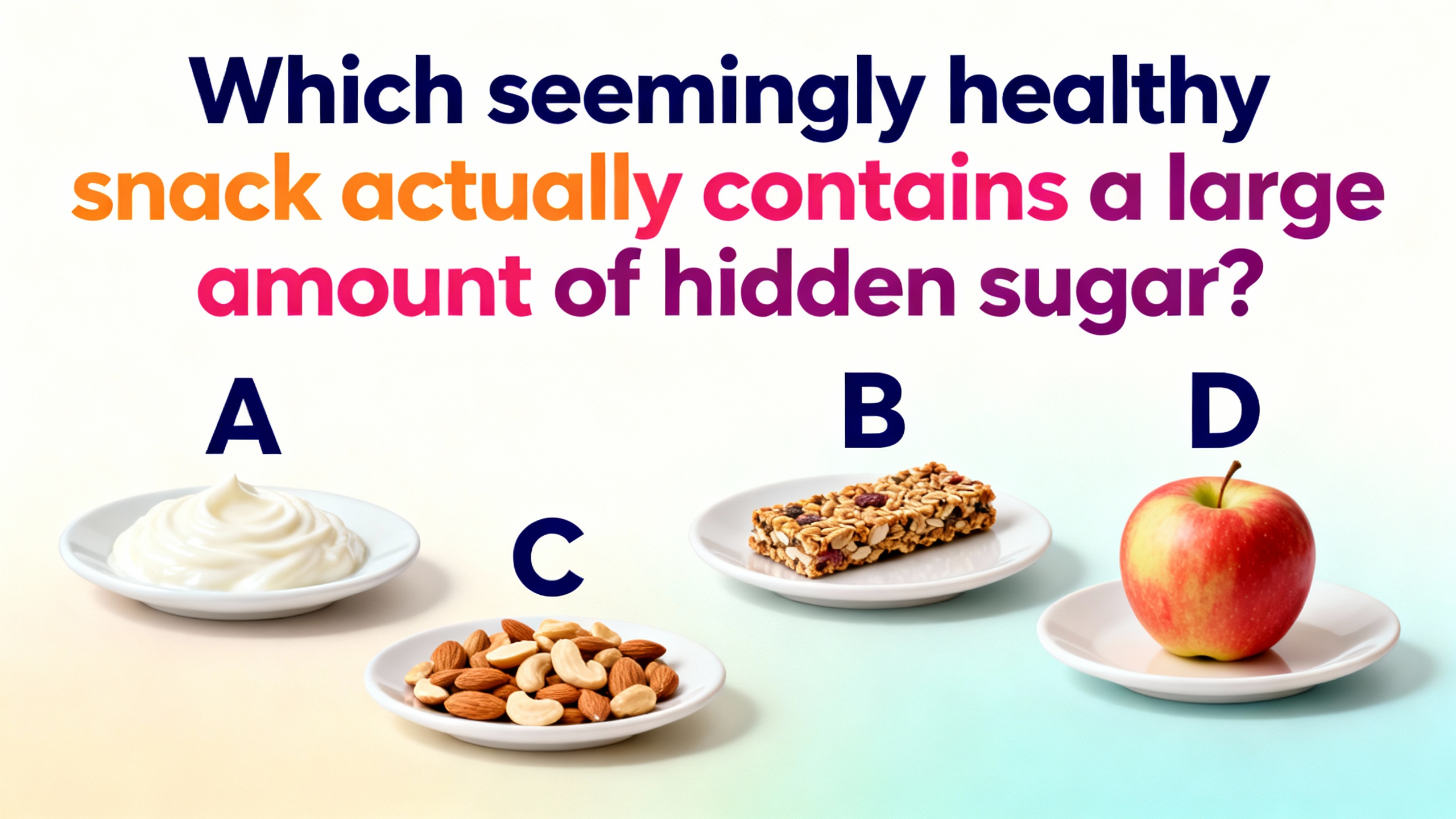
 Among common breakfast foods, one that is often a hidden calorie bomb is granola. Granola has gained a reputation as a health - conscious breakfast choice, especially among those who are on the go or looking for a quick and easy meal in the morning. However, beneath its seemingly healthy exterior lies a high - calorie reality. Granola typically consists of rolled oats, nuts, seeds, and sweeteners like honey or maple syrup, which are then baked until crispy. Rolled oats are indeed a healthy source of fiber. Fiber is essential for our digestive system as it helps to keep our bowels regular and can also reduce the risk of heart disease by lowering cholesterol levels. Oats are also known to be a good source of complex carbohydrates, which provide a steady release of energy throughout the morning. But the addition of high - fat nuts and large amounts of sugar significantly increases its calorie content. The nuts used in granola are not just any ordinary ingredients. Almonds, for example, are a nutritional powerhouse. They are rich in vitamin E, an antioxidant that helps to protect our cells from damage. Walnuts are a great source of omega - 3 fatty acids, which are beneficial for brain health. Pecans are also loaded with antioxidants and healthy fats. However, these fats are also high in calories. A single ounce of almonds has about 160 calories. If a granola recipe contains a generous amount of almonds, it can quickly add up to a large number of calories. The sweeteners used in granola production are another culprit. Honey and maple syrup are natural sweeteners, and many people assume that they are healthier alternatives to refined sugar. While they do contain some nutrients like antioxidants and trace minerals, they are still high in calories. When these sweeteners are added to the granola mixture and baked, they caramelize, giving the granola its deliciously sweet and crispy texture. But this also means that a significant amount of empty calories are being added. Many commercial granolas take it a step further by coating them with chocolate chips or other high - sugar toppings. Chocolate chips are made primarily of sugar and cocoa butter, both of which are high in calories. Some granolas may also have dried fruits that are coated in sugar to enhance their flavor. People often assume that granola is a healthy breakfast option because it contains oats and nuts, but they may not be aware of the large number of calories it packs. A single cup of granola can contain around 500 - 600 calories. To put this into perspective, a person on a 2000 - calorie diet should aim to consume around 500 - 600 calories for breakfast. So, just one cup of granola could take up a significant portion of their daily calorie intake.
 Let's take a closer look at how granola is made in commercial settings. Manufacturers often use a large amount of oil or butter to ensure that the granola has a crispy texture. This oil or butter adds even more calories to the final product. Additionally, some granolas may have added flavors and preservatives, which can also contribute to the calorie count. When it comes to serving sizes, people often underestimate how much granola they should be eating. A standard serving size of granola is usually around 1/4 to 1/3 of a cup. But many people pour themselves a much larger portion, thinking that it's a healthy food and they can have more. This can lead to overconsumption of calories, especially if they are also adding milk or yogurt to their granola. Another breakfast item that can be a calorie bomb is a breakfast sandwich from fast - food restaurants. These sandwiches have become a staple for many people, especially those with busy schedules. They are convenient, readily available, and often taste great. But they come at a high cost in terms of calories.
 These sandwiches usually combine a fried egg, a slice of processed meat like bacon or sausage, and cheese between two slices of bread or a biscuit. The fried egg is cooked in oil, which adds extra calories. The yolk of the egg is high in cholesterol, and when it is fried, it can increase the saturated fat content. Processed meats like bacon and sausage are also high in saturated fats and cholesterol. Bacon is typically cured with salt and other additives, and it is often high in sodium. Sausage can also be made with a lot of fat, and some varieties may contain fillers and preservatives. The cheese used in these sandwiches is another source of fat and calories. Cheese is a concentrated source of milk fat, and it can be very high in saturated fat. A slice of cheddar cheese, for example, can have around 110 calories and 9 grams of fat. When combined with the other ingredients in the sandwich, it can quickly add up to a large number of calories. A typical fast - food breakfast sandwich can have anywhere from 400 to 700 calories. The biscuits used in some sandwiches are often made with a lot of butter or shortening. Butter is a pure form of fat, and shortening is a hydrogenated fat, which means it is high in trans fats. Trans fats are known to increase the risk of heart disease by raising bad cholesterol levels and lowering good cholesterol levels. Even if you choose a seemingly healthier option like a whole - wheat bread version, the combination of all the ingredients still results in a significant calorie intake. Let's consider the marketing of these fast - food breakfast sandwiches. Many fast - food chains promote their sandwiches as being a complete meal, with protein from the egg and meat, and carbohydrates from the bread. They may also offer value meals that include a sandwich, a side, and a drink. This can make it very tempting for consumers to indulge, especially when they are in a hurry and looking for a quick and filling meal. However, it's important to be aware of the nutritional content of these sandwiches. For someone who is trying to lose weight or maintain a healthy diet, a high - calorie breakfast sandwich can throw off their entire day's calorie count. It can also lead to feelings of sluggishness and fatigue later in the morning as the body has to work hard to digest all the high - fat and high - calorie foods. In conclusion, granola and fast - food breakfast sandwiches are common breakfast foods that are often underestimated in terms of their calorie content. When choosing breakfast, it's important to be aware of these hidden calorie bombs and make more informed choices for a balanced diet. Instead of reaching for a large bowl of granola, you could opt for a smaller portion and add some fresh fruits to it for added nutrition and flavor. For fast - food breakfast sandwiches, you could consider making your own at home using whole - grain bread, a poached egg, and lean turkey bacon. This way, you can control the amount of calories and fat in your breakfast and still enjoy a delicious and satisfying meal.