High Sugar Content in Apple Juice: A Hidden Health Risk
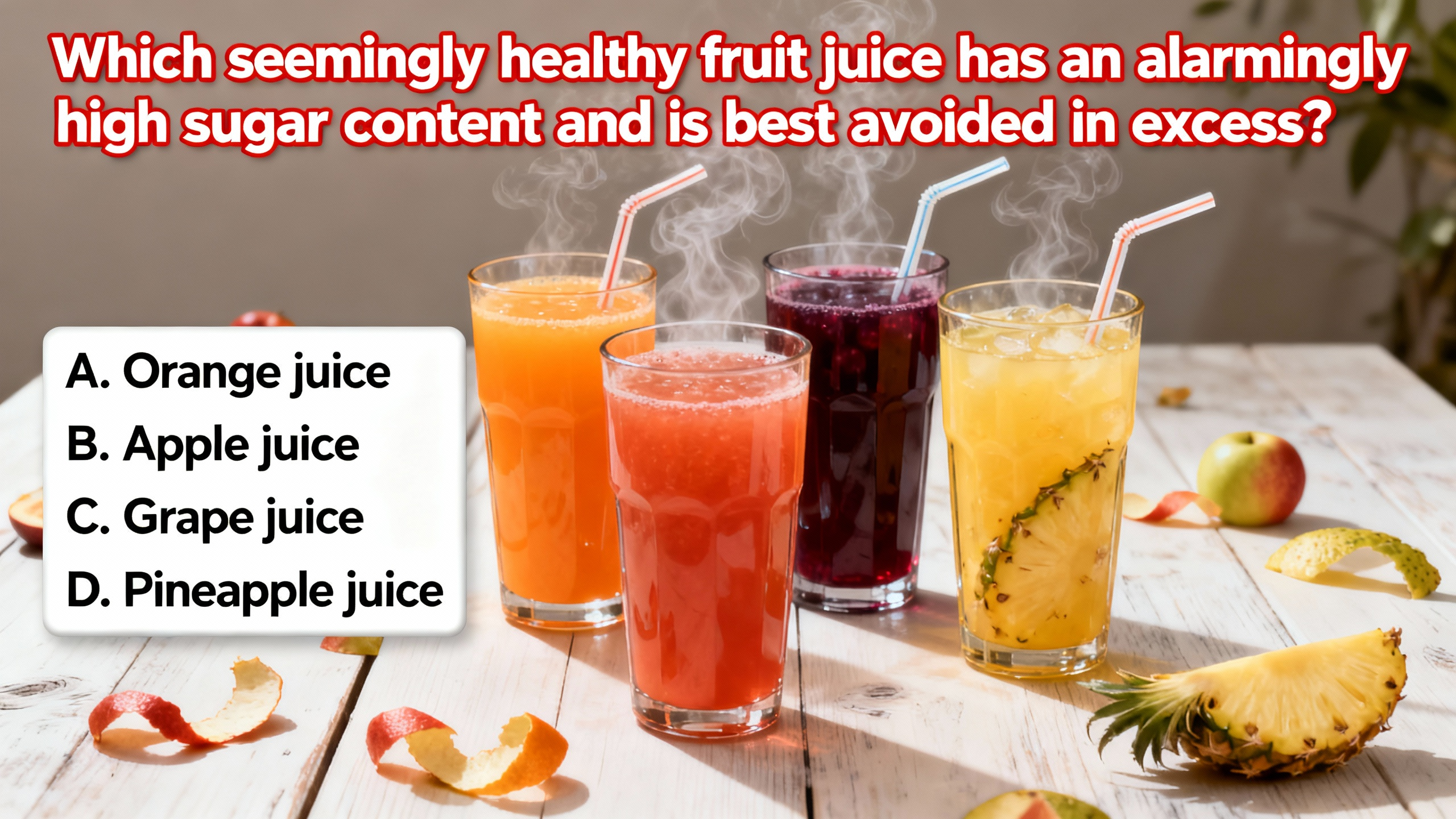
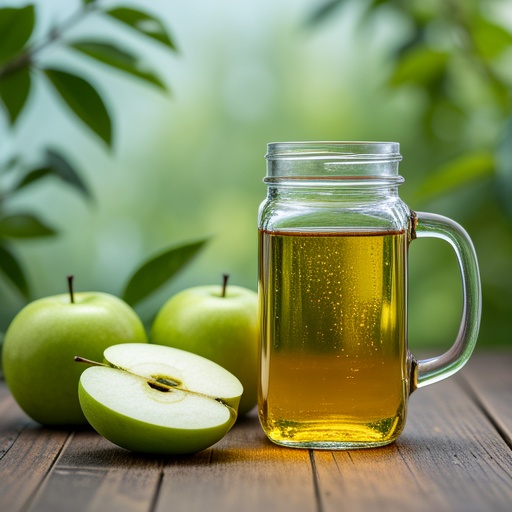 Among the various fruit juices that seem healthy at first glance, apple juice stands out with an alarmingly high sugar content. This is a fact that often goes unnoticed, and it implies that apple juice should be consumed with great moderation. In today's health - conscious society, many people reach for a glass of apple juice thinking they are making a nutritious choice. However, beneath its appealing appearance and sweet taste lies a potential health hazard.
 Apple juice enjoys a positive reputation because apples are generally regarded as health - promoting fruits. Apples are rich in vitamins, minerals, and antioxidants. They are often associated with good health and are even part of the well - known saying “an apple a day keeps the doctor away.” But the process of turning apples into juice changes the nutritional profile significantly. When apples are juiced, a large amount of dietary fiber is removed. Fiber is like the unsung hero of our digestive system. It acts as a regulator, slowing down the absorption of sugar in the body.
To understand the importance of fiber, let's take a closer look at its functions. In the digestive tract, fiber forms a gel - like substance that traps sugars and other nutrients. This slows down their passage through the intestines, allowing for a more gradual and controlled absorption into the bloodstream. When we eat a whole apple, the fiber in the fruit's flesh and skin works to keep the sugar release in check. But in apple juice, without this fiber, the natural sugars, mainly fructose, are absorbed much more rapidly.
A single cup (240 ml) of apple juice can contain up to 24 grams of sugar. To put this into perspective, this amount is close to the sugar content in a can of soda. Soda is widely recognized as an unhealthy beverage due to its high sugar content, yet apple juice often escapes the same level of scrutiny. When we regularly consume large quantities of apple juice, our blood sugar levels experience a rapid spike. This sudden increase in blood sugar causes the pancreas to release a large amount of insulin to bring the sugar levels back to normal. Once the insulin does its job, there is a sharp drop in blood sugar, leaving us feeling tired and hungry soon after. This cycle of blood sugar spikes and crashes can disrupt our energy levels throughout the day and may also lead to cravings for more sugary foods.
Let's consider a real - life example. Imagine a person who starts their day with a large glass of apple juice. They may feel a burst of energy initially, but within a couple of hours, they start to feel sluggish, irritable, and hungry. This is a classic sign of the blood sugar roller - coaster caused by the high - sugar apple juice. If this pattern continues over time, it can have long - term effects on the body's ability to regulate blood sugar, potentially increasing the risk of developing type 2 diabetes.
 Another significant concern is the impact of apple juice on dental health. Our mouths are home to a variety of bacteria. Some of these bacteria are beneficial, but others can cause problems. The high sugar content in apple juice provides an ideal food source for the harmful bacteria in the mouth. When these bacteria consume the sugar, they produce acids as a by - product. These acids attack the tooth enamel, which is the hard outer layer of our teeth that protects them from decay.
Over time, the continuous exposure to these acids can lead to the erosion of tooth enamel. Once the enamel is damaged, the teeth become more vulnerable to cavities. Cavities are not only painful but can also lead to more serious dental problems if left untreated, such as tooth infections and tooth loss. Children are particularly at risk because their teeth are still developing, and their enamel is thinner and more susceptible to damage. For example, if a child regularly sips on apple juice throughout the day, the constant presence of sugar in their mouth creates a breeding ground for bacteria and acid production.
Excessive intake of apple juice can also contribute to weight gain. When we drink apple juice, the body quickly absorbs the sugars, but it doesn't feel as satiated as it would from eating a whole apple. Eating a whole apple requires more chewing, and the fiber in the apple gives a feeling of fullness. In contrast, apple juice goes down quickly, and our brains don't register the same level of satiety. This can lead to over - consumption of calories.
Let's say a person drinks a glass of apple juice and then still feels hungry, so they end up eating more food. Over time, these extra calories add up, and the result is unwanted weight gain. Obesity is a major health issue in modern society, and high - sugar beverages like apple juice can play a role in its development. Obesity is associated with a range of other health problems, including heart disease, high blood pressure, and joint problems.
So, while apple juice can be part of a balanced diet in small amounts, it's crucial to be aware of its high sugar content. Instead of relying on large glasses of apple juice, we can opt for whole apples. Whole apples provide all the nutrients, including fiber, in their natural form. If we still want to enjoy the taste of apple juice, we can dilute it with water to reduce the sugar concentration. Another option is to make fresh apple juice at home and leave some of the pulp in, which will add back some of the lost fiber. In conclusion, being informed about the high sugar content in apple juice is the first step towards making healthier beverage choices.