Unclogging Your Kitchen Sink Drain: Household Tools to the Rescue
 When dealing with a clogged kitchen sink drain, a common household tool that can come to the rescue is a plunger. A plunger is a simple yet effective device that operates on the principle of creating pressure differentials to dislodge blockages. It's a staple in most households, often found tucked away in a utility closet, waiting to be called into action. The design of a plunger is quite basic, typically consisting of a rubber cup attached to a wooden or plastic handle. This simplicity is part of its charm, as it makes the plunger easy to use and maintain.
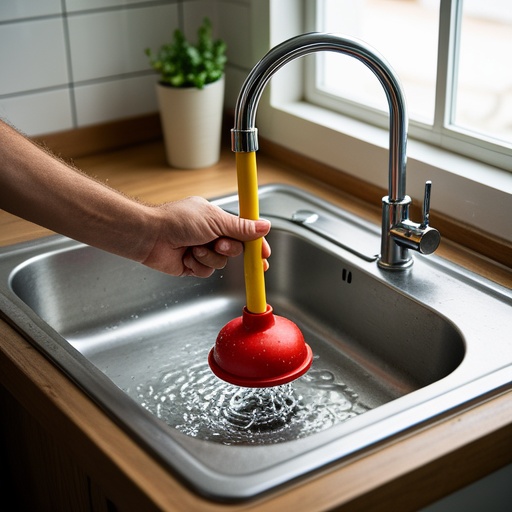 The process of using a plunger to unclog a drain is straightforward. First, ensure there is enough water in the sink to cover the rubber part of the plunger. This is crucial as water acts as a medium to transfer the pressure created by the plunger. Think of it like a hydraulic system; without the water, the pressure wouldn't be effectively transmitted to the blockage. Place the plunger firmly over the drain opening, making sure there is a tight seal. You might need to press down on the handle to ensure the rubber cup adheres well to the sink surface. Then, push and pull the plunger rapidly. The pushing motion forces air into the drain, while the pulling motion creates a suction effect. This back - and - forth action can dislodge various types of blockages, such as food particles, grease, and hair that have accumulated in the pipes. For example, if you've been doing the dishes and some small food scraps have gone down the drain, a few vigorous plunges might be enough to clear the path. Grease can also be a common culprit in kitchen sink clogs. Over time, grease can solidify and stick to the inside of the pipes, narrowing the passage for water. The pressure changes created by the plunger can break up these grease deposits and allow them to flow away. Hair is another common blockage, especially if there are long - haired individuals in the household. Even a small amount of hair can catch other debris and form a significant clog. The plunger's suction can dislodge these hair - debris combinations and send them on their way.
However, there are some tips to keep in mind when using a plunger. If the clog is particularly stubborn, you can try adding a bit of dish soap to the water in the sink. The soap can act as a lubricant, helping the blockage to slide through the pipes more easily. Also, make sure to use a proper up - and - down motion with the plunger. Avoid a side - to - side or circular motion, as this won't create the necessary pressure differentials. And if you have a double - sink setup, you may need to cover the other drain with a wet cloth or a second plunger to ensure all the pressure is directed at the clogged drain.
 Another useful household item is a plumbing snake, also known as a drain auger. A plumbing snake consists of a long, flexible metal cable with a coiled or hooked end. It can be inserted into the drain to reach deeper blockages that a plunger might not be able to handle. You feed the snake into the drain, turning the handle to guide it through the pipes. Once it reaches the blockage, you can use the coiled or hooked end to break up or grab the obstruction and pull it out. This tool is particularly effective for dealing with more stubborn clogs, like large masses of hair or solid objects that have fallen into the drain. Imagine you accidentally dropped a small utensil, like a spoon or a fork, down the sink. A plunger won't be able to retrieve it, but a plumbing snake can. You carefully insert the snake into the drain, feeling your way as you turn the handle. When you encounter the object, you can use the hooked end to latch onto it and slowly pull it out. Large masses of hair can also be a challenge for a plunger. These hair clumps can get stuck deep in the pipes, and the plumbing snake can reach them and break them apart. There are different types of plumbing snakes available. Some are designed for small, home - use drains, while others are more heavy - duty and suitable for commercial or industrial applications. For a typical kitchen sink, a medium - sized plumbing snake with a flexible cable is usually sufficient. When using a plumbing snake, it's important to be gentle at first. You don't want to force the snake too hard and damage the pipes. If you encounter resistance, try turning the handle in the opposite direction to see if you can re - position the snake and then continue. Also, make sure to clean the plumbing snake thoroughly after use to prevent the spread of bacteria and to keep it in good working condition.
 In conclusion, both the plunger and the plumbing snake are common household tools that can be used to fix a clogged kitchen sink drain. The plunger is great for quick and easy blockages, while the plumbing snake is better suited for more challenging situations. It's always a good idea to have both of these tools on hand in your home. Regular maintenance of your kitchen sink drain can also help prevent clogs in the first place. For instance, using a drain strainer to catch food particles and hair can significantly reduce the chances of a clog. And if you do encounter a clog, don't panic. With the right tools and a bit of know - how, you can usually clear the blockage yourself and avoid the hassle and expense of calling a professional plumber.
There are also some other household items that can be used in combination with the plunger and plumbing snake to enhance the unclogging process. Baking soda and vinegar are a classic combination. Pour about half a cup of baking soda down the drain, followed by half a cup of vinegar. The chemical reaction between the two creates a fizzing action that can help break down grease and other organic matter. After letting it sit for about 15 - 20 minutes, flush the drain with hot water. This can be a great pre - treatment before using a plunger or plumbing snake. Salt can also be a useful addition. A mixture of salt and hot water can be poured down the drain to dissolve some of the grease and debris. The salt acts as an abrasive, helping to scrub the inside of the pipes. And if you have lemon peels on hand, you can drop them down the drain after using the other methods. The lemon not only helps to freshen the drain but also has some natural cleaning properties.
It's important to note that while these household tools and methods can often solve common kitchen sink clogs, there are times when it's best to call a professional. If you've tried multiple times with the plunger and plumbing snake and the clog persists, or if you suspect there is a more serious issue with the pipes, such as a break or a major blockage further down the line, a professional plumber has the expertise and specialized equipment to handle the problem. They can use techniques like hydro - jetting, which uses high - pressure water to clear even the most stubborn clogs and clean the entire length of the pipes. In summary, taking care of your kitchen sink drain is an important part of home maintenance. By having the right household tools, knowing how to use them effectively, and being aware of some simple preventive measures, you can keep your sink draining smoothly and avoid the inconvenience of a clogged drain.