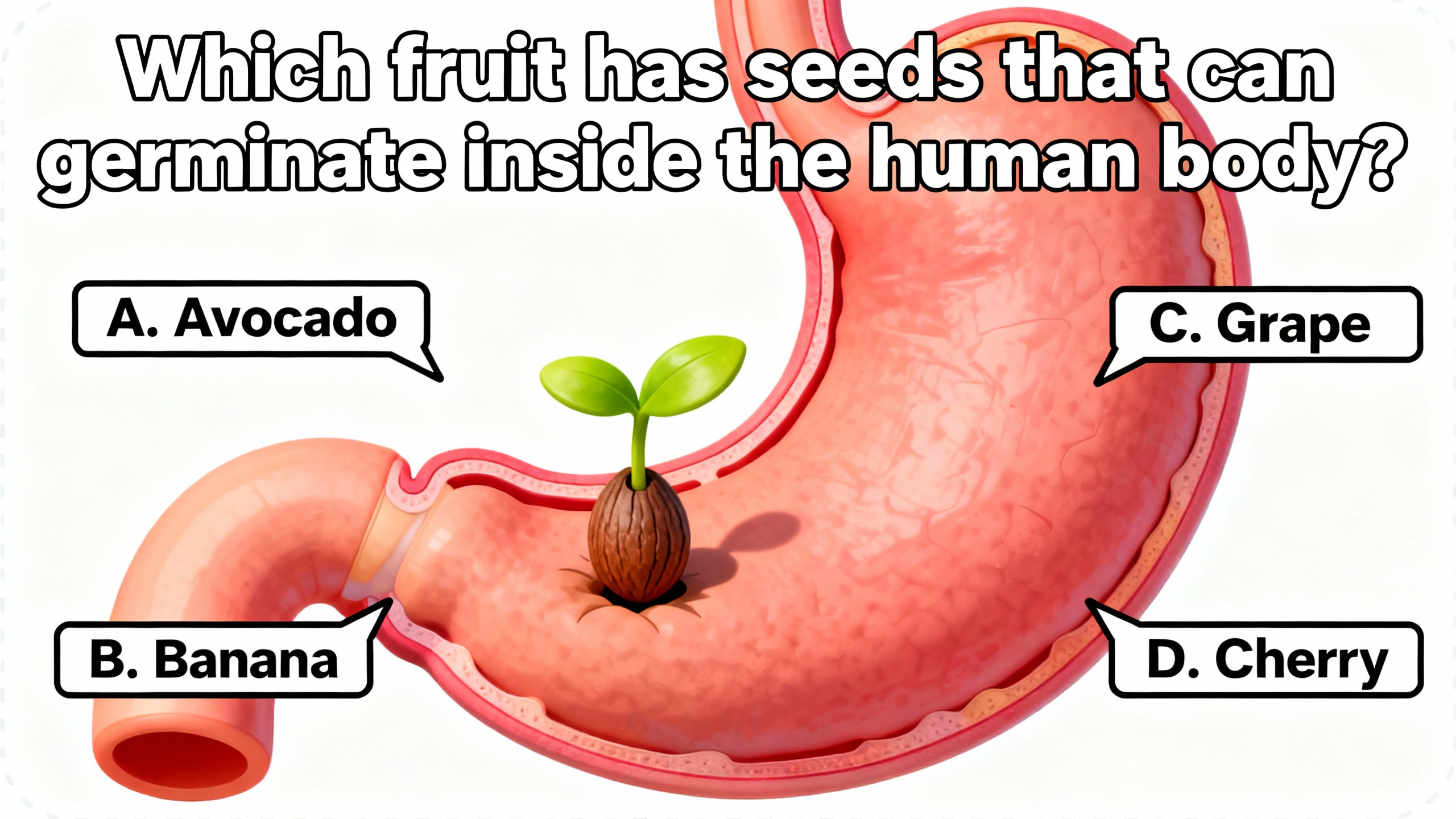
Fruit Seeds Germinating Inside the Human Body
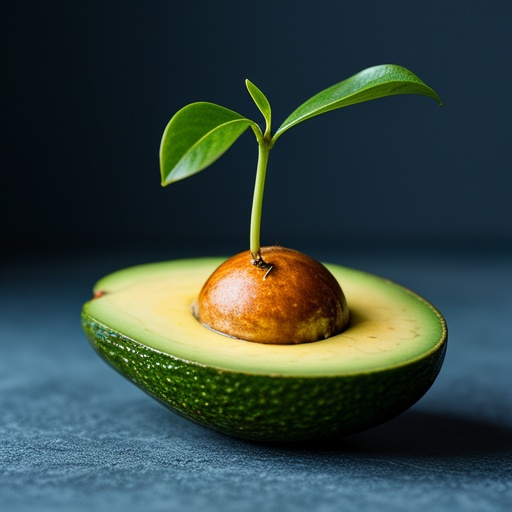 The idea of fruit seeds germinating inside the human body is a fascinating yet extremely rare phenomenon. While it may seem like something out of a science - fiction story, there have been a few reported cases, most notably involving the avocado. Avocados are a popular and nutritious fruit, known for their creamy texture and high - fat content. But what makes their seeds stand out in the context of internal germination is their unique physical characteristics.
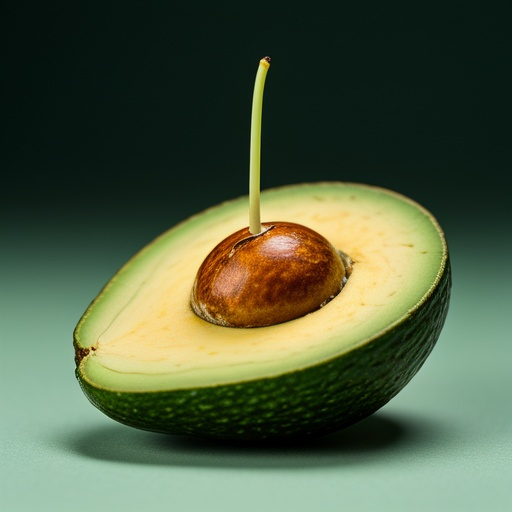 The human digestive system is a well - orchestrated and rather inhospitable environment for seeds. When we consume food, it first enters the mouth, where mechanical digestion begins as we chew. Then, it travels down the esophagus and into the stomach. The stomach is like a cauldron of acid and enzymes. The hydrochloric acid in the stomach has a pH level that can be as low as 1.5 to 3.5. This highly acidic environment is designed to break down food into smaller particles and kill off any harmful bacteria or pathogens that may have been ingested. Digestive enzymes, such as pepsin, further assist in the breakdown of proteins. After the stomach, the partially digested food moves into the small intestine. Here, more enzymes from the pancreas and bile from the liver are added to continue the digestion process. The small intestine is also responsible for absorbing nutrients from the digested food into the bloodstream. Finally, the remaining waste material enters the large intestine, where water is absorbed, and the waste is prepared for elimination. The peristaltic movement of the intestines is another factor that works against seed survival. This wave - like muscle contraction helps to push food through the digestive tract. Seeds are constantly being jostled and moved along, which makes it difficult for them to find a stable place to germinate. However, avocado seeds are large and have a hard, protective shell. This shell acts as a shield, giving the seed a better chance of passing through the digestive tract intact compared to many other seeds. For example, small, soft - shelled seeds like those of strawberries or blueberries are much more likely to be broken down during digestion. There have been a few anecdotal reports where an avocado seed, after being accidentally swallowed, managed to lodge in a part of the digestive system where the conditions were less harsh. One such area could be a diverticulum in the large intestine. A diverticulum is a small pouch that bulges out from the colon wall. If an avocado seed gets trapped in a diverticulum, it may be protected from the full force of the digestive processes. In these rare situations, if the seed remained in a moist and relatively stable environment for an extended period, and if it had not been damaged during the passage, it might start to show signs of germination. Germination is a complex biological process that begins when a seed absorbs water. This triggers the activation of enzymes within the seed, which break down stored nutrients to provide energy for growth. The first visible sign of germination is usually the emergence of a root, followed by the sprout. In the case of an avocado seed inside the body, the root might start to grow, seeking out nutrients and water, and the sprout could potentially begin to develop as well.
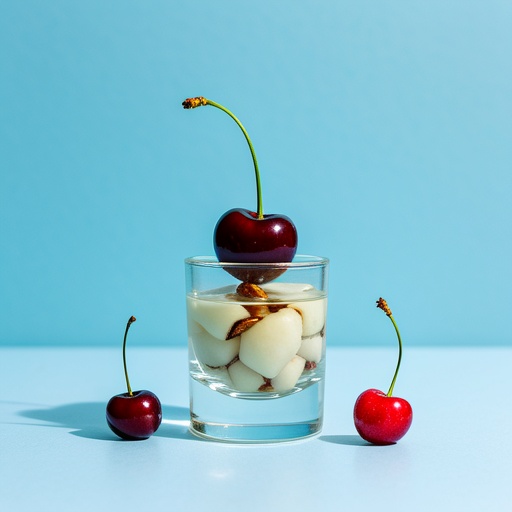 Another fruit that, in theory, might have a small chance of internal germination is the cherry. Cherries are a delicious summer fruit, and their pits are hard and relatively large. Similar to avocado seeds, cherry pits can sometimes pass through the digestive system without being crushed. The hard outer shell of the cherry pit provides some protection against the acidic and enzymatic environment of the stomach and intestines. In very rare circumstances, if a cherry pit were to get stuck in the appendix or a diverticulum in the colon, there could potentially be a very small chance of germination. The appendix is a small, finger - like pouch attached to the large intestine. It has a relatively small opening, and if a cherry pit were to block this opening, it could create a stagnant environment. The right combination of moisture, temperature, and lack of digestive action would be crucial for germination to occur. However, it's important to note that these are extremely rare and almost anecdotal events. The human body is generally not a suitable environment for most plant seeds to germinate. For one, the internal temperature of the human body is around 37°C (98.6°F), which may not be the optimal temperature for all seeds. Different seeds have different temperature requirements for germination. Some seeds need a period of cold stratification, which is a process where the seed is exposed to cold temperatures for a certain period to break dormancy. This is not something that occurs inside the human body. Moreover, the human body lacks the necessary sunlight for photosynthesis. Photosynthesis is the process by which plants convert light energy into chemical energy. Without sunlight, a germinated seed would not be able to produce the energy it needs to continue growing. Even if a seed were to start germinating inside the body, it would quickly run out of stored nutrients and would not be able to survive for long. In addition to the physiological barriers, there are also potential health risks associated with a seed germinating inside the body. A growing root or sprout could cause blockages in the digestive tract, leading to abdominal pain, constipation, or even more serious complications such as bowel obstruction. If a seed were to germinate in the appendix, it could cause inflammation and appendicitis. Overall, while the idea of fruit seeds germinating inside the human body is an interesting topic, it remains an extremely rare and unlikely event. The human digestive system has evolved to break down and eliminate foreign objects, and most seeds simply do not have the conditions necessary to germinate and grow within our bodies.