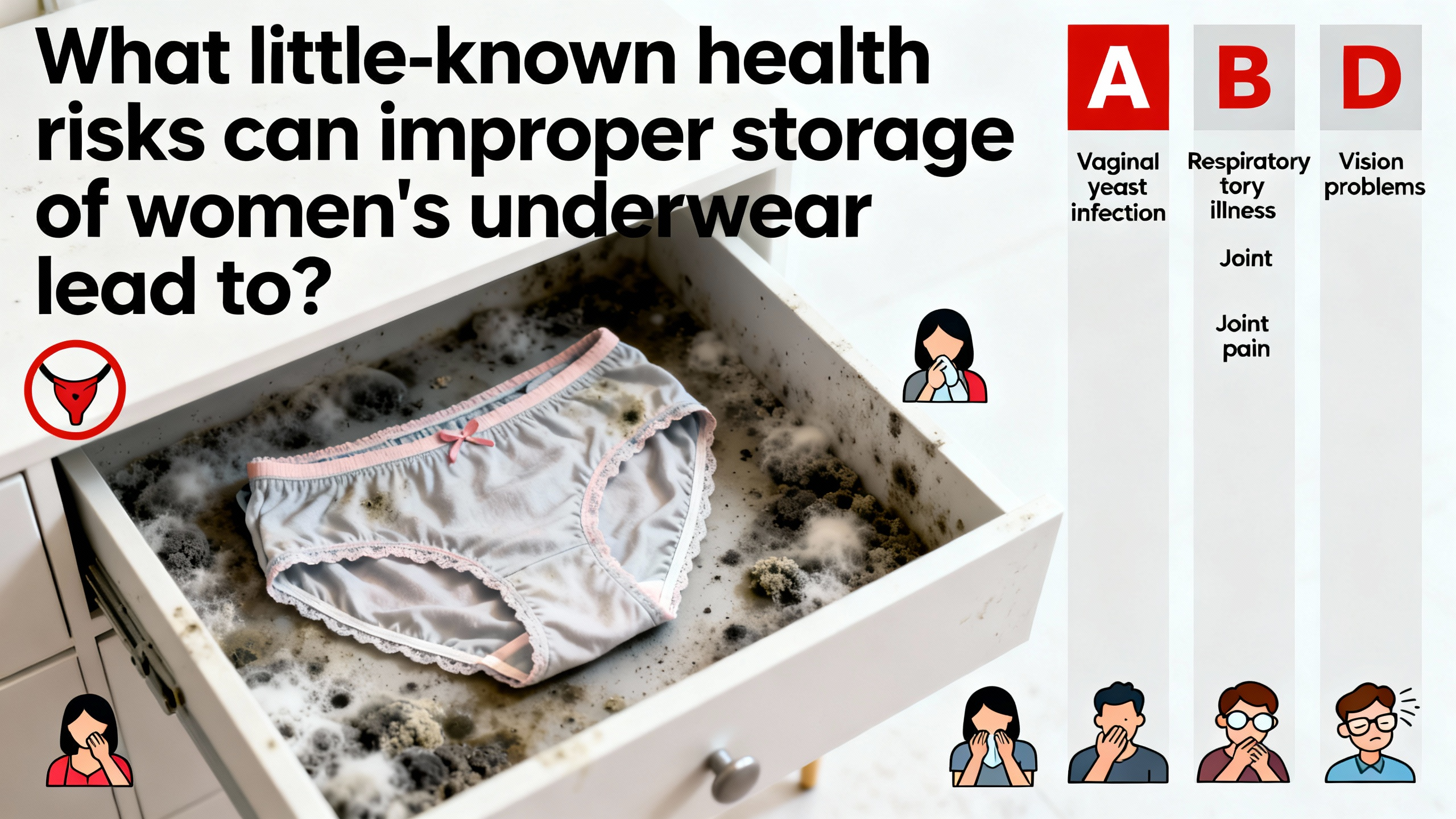
Health Risks of Improper Storage of Women's Underwear
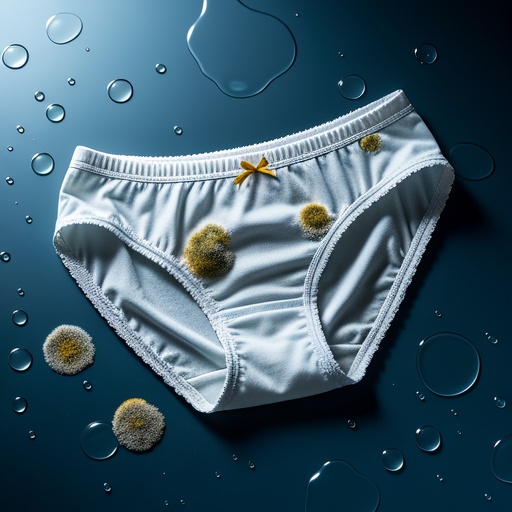 Improper storage of women's underwear can give rise to several little - known health risks. This issue is often underestimated, yet it has a profound impact on women's well - being. First and foremost, storing underwear in a damp environment provides a fertile breeding ground for various microorganisms. Moisture is a key factor that encourages the growth of fungi, such as Candida albicans. Let's take a closer look at Candida albicans. This fungus is commonly found in the human body, but when the conditions are right, it can multiply rapidly. In a damp storage area, like a basement or a bathroom cabinet with poor ventilation, the humidity levels are high. Candida albicans thrives in such an environment, and it can easily attach to the fibers of the underwear. When women wear underwear contaminated with these fungi, it can lead to vaginal yeast infections. These infections are characterized by itching, burning, and abnormal discharge. The warm and moist genital area is highly susceptible to fungal invasion. For example, a woman who has just finished a long and sweaty workout and then puts on underwear that has been stored in a damp place is at a much higher risk. Once infected, it can cause significant discomfort and even affect a woman's daily life. Simple activities like sitting, walking, or sleeping can become extremely uncomfortable. In some severe cases, it may even lead to pain during sexual intercourse, which can have a negative impact on a woman's intimate relationships. In addition to fungi, bacteria can also multiply rapidly in poorly stored underwear. Storing underwear in a dirty or unventilated place allows bacteria like Escherichia coli to thrive. Escherichia coli is commonly found in the digestive tract, but it can also be present in the environment. When underwear is stored in a place where there is poor air circulation, such as a crowded drawer with no proper ventilation holes, the bacteria can find a suitable environment to grow. When these bacteria come into contact with the female genitals, they can cause urinary tract infections (UTIs). UTIs are not only painful but can also lead to more serious complications if left untreated. A mild UTI may cause symptoms like frequent urination, a burning sensation during urination, and lower abdominal pain. However, if the infection spreads to the kidneys, it can lead to kidney infections, which are much more severe and may require hospitalization. Moreover, long - term exposure to bacteria - contaminated underwear may disrupt the normal vaginal flora. The vaginal flora is a delicate ecosystem of beneficial bacteria that helps maintain the vaginal's acidic environment and prevent the overgrowth of harmful microorganisms. For instance, Lactobacillus is one of the beneficial bacteria in the vaginal flora. It produces lactic acid, which keeps the vaginal pH at an acidic level, making it difficult for harmful bacteria and fungi to survive. When the balance of the vaginal flora is disrupted due to long - term exposure to contaminated underwear, the number of beneficial bacteria may decrease, and the growth of harmful microorganisms can go unchecked. This can make women more vulnerable to various gynecological diseases, such as bacterial vaginitis, which is characterized by a fishy odor, abnormal discharge, and itching. Another often - overlooked risk is the potential for allergic reactions. If underwear is stored near chemicals, such as cleaning agents or pesticides, the fibers of the underwear may absorb these substances. Many households use strong cleaning agents to keep their homes clean. If these cleaning agents are stored in the same closet as the underwear, the fumes from the chemicals can be absorbed by the underwear fibers. When a woman wears the contaminated underwear, it can cause skin irritation, rashes, and itching in the sensitive genital area. Some synthetic materials in underwear can also release formaldehyde over time, especially when stored in a warm and enclosed space. Formaldehyde is a well - known allergen that can trigger allergic dermatitis. For example, some cheaply made synthetic underwear may contain formaldehyde as a preservative or to make the fabric wrinkle - resistant. When this underwear is stored in a warm drawer for a long time, the formaldehyde can be released. Allergic dermatitis can be extremely uncomfortable and may require medical treatment. The affected area may become red, swollen, and itchy, and in severe cases, blisters may form. Moreover, improper storage can also lead to physical damage to the underwear. If underwear is stored in a way that it is crushed or folded tightly for a long time, the elastic bands may lose their elasticity. This can result in underwear that does not fit properly, which can cause chafing and discomfort. For example, if a woman wears underwear with a loose elastic band, it may ride up and cause friction against the skin, leading to irritation. In addition, storing underwear in a place where it is exposed to sunlight for long periods can also cause the fabric to fade and weaken. The ultraviolet rays in sunlight can break down the fibers of the fabric, making it more prone to tearing. This not only affects the appearance of the underwear but also reduces its durability. To avoid these health risks, women should pay more attention to how they store their underwear. They should choose a clean, dry, and well - ventilated place to store their underwear. A dedicated underwear drawer with proper ventilation holes is a good option. It is also important to keep the underwear away from chemicals and potential sources of contamination. For example, they should not store underwear near the laundry detergent or in a place where there is a lot of dust. Regularly cleaning the storage area is also essential. Wiping down the drawers or shelves with a mild cleaner can help remove any dust, dirt, or bacteria that may be present. Women should also consider using breathable storage bags or containers to keep their underwear organized and protected. In conclusion, improper storage of women's underwear can lead to a range of health problems, from fungal and bacterial infections to allergic reactions. It can also cause physical damage to the underwear itself. To safeguard their health, women should store their underwear in a clean, dry, and well - ventilated place, away from chemicals and potential sources of contamination. By taking these simple steps, women can ensure that their underwear remains a source of comfort and protection rather than a potential health hazard.