
Strange Sleep Patterns in the Animal Kingdom
The animal kingdom is a realm of endless wonders, and one of the most fascinating aspects is the diverse range of sleep patterns exhibited by different species. Among them, several animals have truly strange sleep patterns, but the giraffe stands out as having one of the most bizarre. Giraffes are iconic creatures, known for their towering height and graceful demeanor. However, their sleep habits are far from what one might expect. 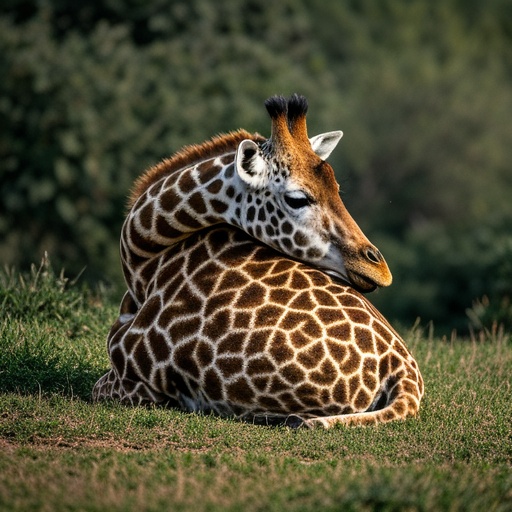
Giraffes have an extremely short sleep requirement compared to many other mammals. On average, they only need about 1.9 hours of sleep per day. To put this into perspective, humans typically need 7 - 9 hours of sleep for optimal health and functioning. This stark difference can be attributed to a combination of factors related to their physical characteristics and ecological niche. Their large size makes them a target for predators in the wild, and they simply can't afford to be in a deep, long - term sleep state. If they were to enter a prolonged slumber, they would be highly vulnerable to attacks from lions, hyenas, and other predators. The sleep of giraffes is often broken up into very short intervals. Instead of having one long period of rest, they take multiple short naps throughout the day and night. These naps usually last only a few minutes at a time. It's like they are constantly on guard, taking brief moments to recharge their energy while remaining alert to potential danger. For example, a giraffe might take a 2 - 3 minute nap, then wake up, look around to assess the situation, and if everything seems safe, it might take another short nap. When giraffes do lie down to sleep, it is a carefully calculated move. Lying down is a vulnerable position for them because it takes time for them to get back up on their long legs. It's not as simple as a quick jump for a smaller animal. A giraffe has to carefully coordinate the movement of its long limbs to stand up, which can take several seconds. To minimize the risk during this vulnerable period, they often sleep in a sitting position with their necks curled back. This position allows them to quickly stand up and flee if a predator approaches. It's like a coiled spring, ready to spring into action at a moment's notice. In addition to sleeping in a sitting position, giraffes can also sleep while standing. This is a remarkable adaptation that showcases the incredible design of their bodies. Their unique skeletal structure and ligaments support their body weight even when they are in a semi - sleep state. The ligaments in their legs act like a natural suspension system, holding them upright without much muscular effort. This enables them to rest while remaining vigilant, always ready to respond to any threat. For instance, a giraffe can stand still, with its eyes half - closed, and enter a light sleep, all the while being able to detect the slightest movement or sound in its surroundings. 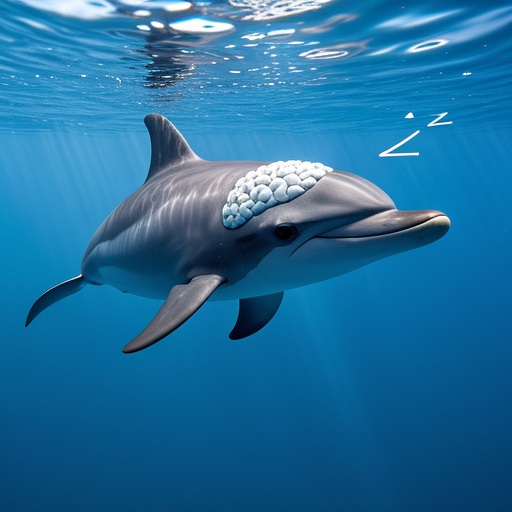
Another animal with a very odd sleep pattern is the dolphin. Dolphins are highly intelligent and social creatures that inhabit the world's oceans. Their sleep pattern is quite different from that of giraffes but equally fascinating. Dolphins are known for unihemispheric slow - wave sleep. This means that only one half of their brain sleeps at a time while the other half remains awake. This unique adaptation is crucial for their survival in the aquatic environment. Since dolphins are mammals, they need to come to the surface to breathe. Unlike fish, which can extract oxygen from water through their gills, dolphins have lungs and must take in air regularly. If they were to fall into a deep sleep like humans, where both halves of the brain are unconscious, they would lose the ability to control their breathing and would drown. By having one half of the brain awake, they can continue to swim, come to the surface for air, and be aware of their surroundings. This split - brain sleep also allows them to maintain some level of awareness of potential predators or other threats in the water. For example, if a shark is approaching, the awake half of the brain can detect the movement and alert the dolphin. The awake half can also control the dolphin's swimming movements, ensuring that it stays in a safe area. During unihemispheric sleep, the eye on the side of the awake brain remains open, while the eye on the sleeping side is closed. This is a clear indication of the different states of the two brain hemispheres. Scientists have conducted numerous studies on dolphin sleep to understand this phenomenon better. They have used advanced imaging techniques to observe the brain activity of dolphins during sleep. These studies have shown that the sleeping half of the brain shows reduced neural activity, similar to what is seen in a sleeping human brain. However, the awake half remains active, controlling essential functions such as breathing and movement. Dolphins also have different sleep postures. Sometimes, they may swim slowly in a straight line while one half of the brain sleeps. Other times, they may rest near the surface, floating gently with the help of their buoyancy. This ability to adapt their sleep behavior according to the situation is another remarkable aspect of their survival strategy. 
There are other animals in the animal kingdom with equally strange sleep patterns. For example, the sloth is known for its extremely slow metabolism and long periods of sleep. Sloths can sleep up to 15 - 20 hours a day. Their slow - moving lifestyle and low - energy diet of leaves contribute to their need for such long periods of rest. They hang upside down from tree branches, using their long claws to grip tightly. This position not only provides them with a safe place to sleep but also conserves energy as they don't have to use much muscle power to stay in place. The alpine swift is another interesting case. These birds can stay in the air for months at a time, even during sleep. They have the ability to sleep while flying, with one half of their brain sleeping at a time, similar to dolphins. This adaptation allows them to cover long distances during migration without having to land and rest. They can catch insects in flight and perform all necessary functions while in the air, including sleeping. In conclusion, while both giraffes and dolphins have highly unusual sleep patterns, the giraffe's combination of extremely short and fragmented sleep, along with the ability to sleep in precarious positions, gives it a strong claim to having the most bizarre sleep pattern in the animal kingdom. The unique sleep habits of these animals are a testament to the amazing adaptability of nature. Each species has evolved a sleep pattern that suits its specific needs, whether it's to avoid predators, conserve energy, or survive in a particular environment. Studying these strange sleep patterns not only helps us understand the behavior of these animals better but also provides insights into the broader concept of adaptation and survival in the animal kingdom.


