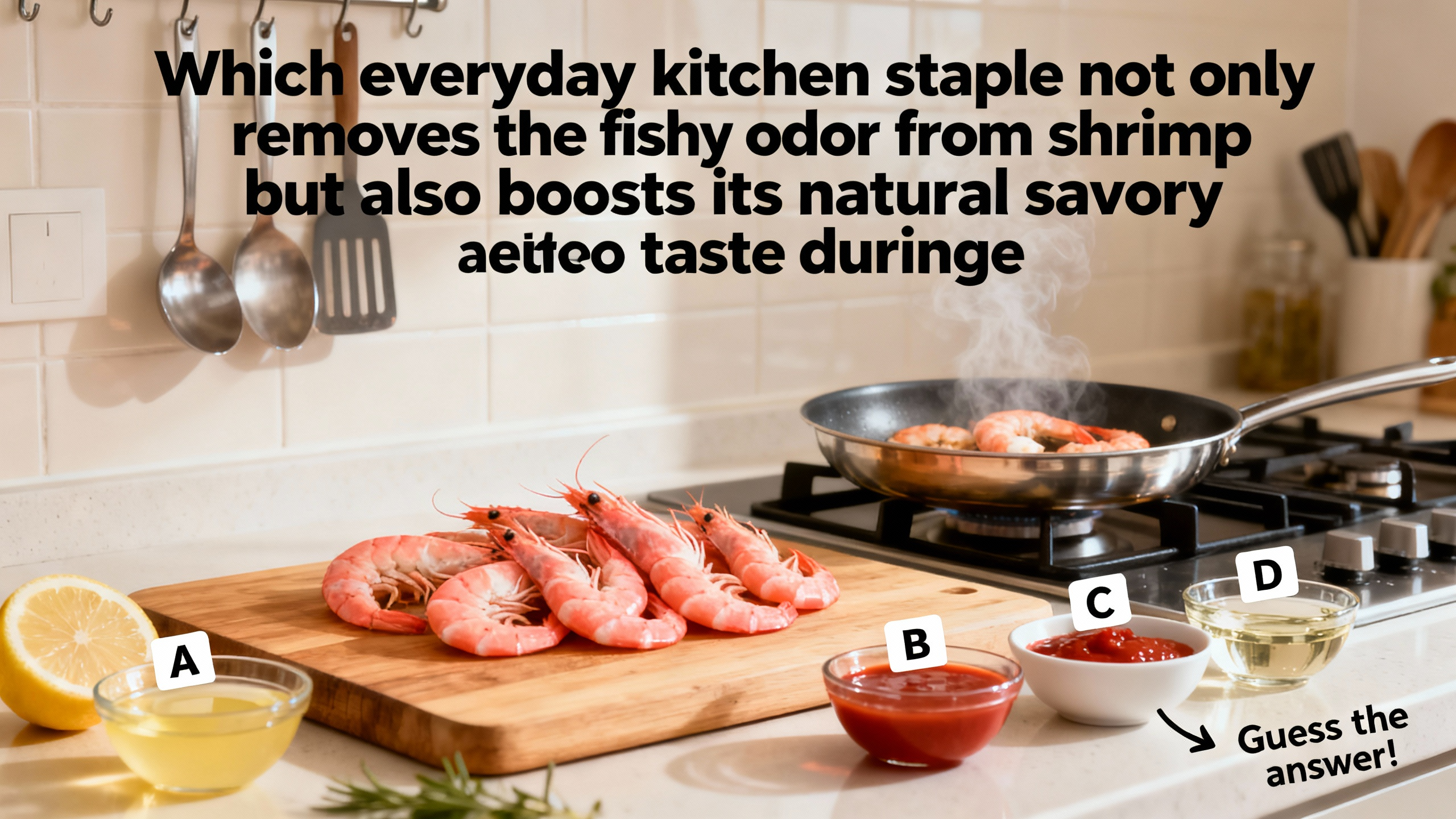
Removing the Fishy Odor from Shrimp: Lemon Juice and White Wine
 When it comes to cooking shrimp, one of the most common challenges that home cooks and professional chefs alike face is dealing with its fishy odor. However, enhancing its natural savory flavor can turn this simple seafood into a culinary delight. Among the various solutions available, the everyday kitchen staple that fits the bill perfectly is lemon juice. Lemon juice is an incredibly versatile and commonly available ingredient that can work wonders in the kitchen, especially when it comes to preparing seafood like shrimp. It is a staple in many kitchens around the world, found in both the fresh fruit form and as bottled juice. The use of lemon juice in cooking shrimp is not a new concept. It has been a part of culinary traditions for centuries. In Mediterranean cuisine, for example, lemon is often paired with seafood to bring out the best in the flavors. The bright, citrusy aroma of lemon can instantly transform the smell and taste of shrimp, making it more appealing to a wide range of palates. Whether you are making a simple shrimp cocktail, a shrimp stir - fry, or a more elaborate shrimp pasta dish, lemon juice can be a game - changer.
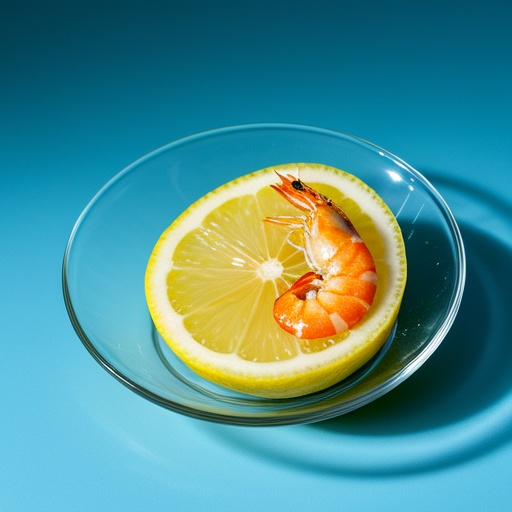 The fishy smell in shrimp comes from amines, which are alkaline compounds. These amines are a by - product of the decomposition process that starts as soon as the shrimp is caught. As the shrimp ages, the concentration of amines increases, leading to a stronger and more unpleasant fishy odor. Lemon juice, on the other hand, is acidic, containing citric acid. When lemon juice is applied to shrimp, an acid - base reaction occurs. The acidic components in the lemon juice neutralize the amines, effectively reducing the fishy odor. This chemical reaction is not only fascinating from a scientific perspective but also has practical implications in the kitchen. To understand it better, think of it like a battle between the acid in the lemon juice and the alkaline amines in the shrimp. When they come into contact, they react to form salts and water. These new compounds have a much less pungent smell compared to the original amines. This chemical reaction helps to make the shrimp more palatable and less off - putting to those who are sensitive to strong seafood smells. For instance, if you have guests who are not big fans of the fishy smell of shrimp, using lemon juice can make the dish more acceptable to them.
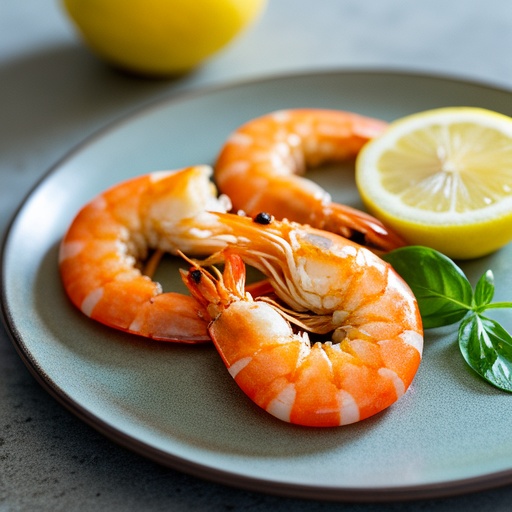 In addition to odor removal, lemon juice enhances the umami or savory taste of shrimp. The natural acidity of lemon juice can break down some of the proteins in the shrimp, releasing amino acids that contribute to the savory flavor. Amino acids are the building blocks of proteins, and when they are released, they can intensify the umami taste. This is similar to how aging cheese or fermenting soy sauce can enhance the umami flavor. The bright, fresh flavor of lemon also adds a zesty note that complements the sweetness of the shrimp, creating a more complex and delicious taste profile. It can be used in various ways, such as marinating the shrimp before cooking or squeezing it over the cooked shrimp as a finishing touch. When marinating, the lemon juice has time to penetrate the shrimp, not only removing the fishy odor but also infusing it with flavor. A simple marinade can consist of lemon juice, a bit of olive oil, minced garlic, and a sprinkle of salt and pepper. Leave the shrimp in this marinade for about 15 - 30 minutes in the refrigerator, and you will notice a significant difference in the taste and smell. If you prefer to use it as a finishing touch, a squeeze of fresh lemon juice over the cooked shrimp can add a burst of freshness that elevates the entire dish.
 Another kitchen staple that can achieve similar effects is white wine. White wine is a popular choice in many seafood recipes, and for good reason. It contains alcohol and acids. The alcohol can evaporate during the cooking process, taking away some of the fishy odor with it. As the wine heats up, the alcohol turns into vapor and carries the volatile compounds responsible for the fishy smell out of the pan. The acids in the wine, like tartaric acid, can also react with the amines in the shrimp to reduce the fishy smell. Similar to the acid - base reaction with lemon juice, the acids in white wine neutralize the alkaline amines, making the shrimp less fishy. Moreover, white wine can add a subtle, fruity and complex flavor to the shrimp, enhancing its overall savory taste. Different types of white wine can bring different flavor profiles to the dish. For example, a Sauvignon Blanc has a crisp, herbaceous flavor that can pair well with shrimp, while a Chardonnay can add a buttery and rich note. Whether used in a marinade or added directly to the pan while cooking, white wine can be a great option for cooking shrimp. When using it in a marinade, the wine can tenderize the shrimp while removing the odor. Just like with lemon juice, a marinade with white wine can include other ingredients such as herbs, spices, and olive oil. If you add it to the pan while cooking, the wine will reduce and create a flavorful sauce that coats the shrimp. For instance, in a shrimp scampi recipe, adding a splash of white wine to the pan after sautéing the garlic and shrimp can create a delicious, aromatic sauce.
 In conclusion, both lemon juice and white wine are everyday kitchen staples that can remove the fishy odor from shrimp and boost its natural savory taste. They are easy to use and can significantly improve the quality of your shrimp dishes. Whether you are a novice cook or an experienced chef, incorporating these ingredients into your shrimp recipes can take your cooking to the next level. So, the next time you are preparing shrimp, reach for that lemon and bottle of white wine, and enjoy a delicious, odor - free shrimp dish.