Common Seasonings for Relieving Toothache
 Toothache is an extremely uncomfortable condition that can disrupt our daily lives, making it difficult to eat, sleep, or focus on work. From a health perspective, several common seasonings found in our kitchens can have the remarkable effect of relieving toothache. These natural remedies are not only easily accessible but also offer a relatively safe alternative to some over - the - counter painkillers. They have been used for generations in different cultures around the world, and modern science is now beginning to understand the mechanisms behind their pain - relieving properties.
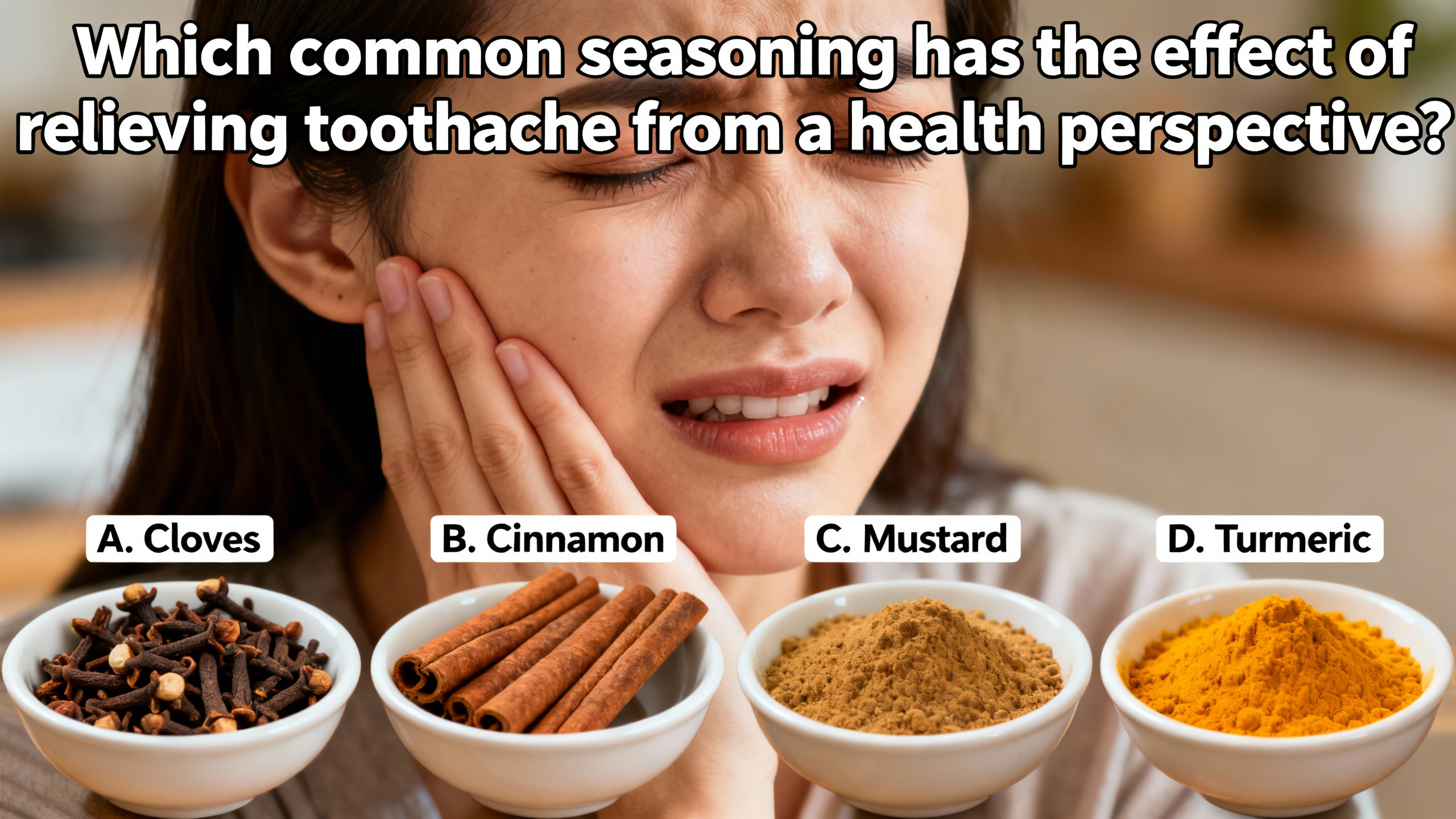
 One such seasoning that stands out is cloves. Cloves are small, aromatic flower buds that have a long history of use in both culinary and medicinal applications. They contain a natural anesthetic called eugenol. Eugenol is a powerful compound with analgesic and antibacterial properties. When experiencing toothache, you can take a clove and chew it gently near the painful tooth. As you chew, the eugenol will be released from the clove. It works by numbing the nerve endings in the affected area. Just like how a local anesthetic at the dentist's office blocks the pain signals from reaching the brain, eugenol has a similar effect on the nerves in the tooth. This numbing sensation can significantly reduce the pain, allowing you to get some relief. Another way to use cloves for toothache is to make a clove oil solution. Clove oil is a concentrated form of the beneficial compounds in cloves. You can soak a small piece of cotton ball in clove oil and then carefully place it on the aching tooth. The oil seeps into the crevices around the tooth, reaching the source of the pain. This method can also achieve a good pain - relieving effect. Clove has been used in traditional medicine for centuries to treat dental problems due to its remarkable pain - relieving ability. In ancient Chinese medicine, cloves were often prescribed for toothache, and in Ayurvedic medicine, they were used to maintain oral health. Even today, many natural toothpaste and mouthwashes contain clove oil for its antibacterial and pain - relieving properties.
 Another useful seasoning in the fight against toothache is ginger. Ginger is a root that is well - known for its spicy and pungent flavor. It contains gingerol and other bioactive compounds that have anti - inflammatory and analgesic effects. Chewing a small piece of fresh ginger can be a simple yet effective way to relieve toothache. When you chew ginger, it stimulates the production of saliva. Saliva is not just a fluid in our mouths; it plays a crucial role in oral health. It helps to clean the oral cavity by washing away food particles and bacteria. By increasing saliva production, ginger can reduce the amount of harmful substances around the painful tooth. The anti - inflammatory properties of ginger are also very beneficial. Toothache is often accompanied by swelling and inflammation around the affected tooth. Ginger can reduce this swelling by inhibiting the production of inflammatory chemicals in the body. Moreover, ginger can also help to improve blood circulation in the oral area. Good blood circulation is essential for the delivery of oxygen and nutrients to the damaged tissues, which is beneficial for reducing pain and promoting the recovery of the affected area. For example, if a toothache is caused by an infection, improved blood circulation can help the immune cells reach the site of infection more quickly, speeding up the healing process.
 In addition, pepper can also play a role in easing toothache. Pepper comes in different varieties, such as black pepper and white pepper. It contains capsaicin, which is the compound responsible for its spicy taste. Capsaicin has a certain analgesic effect. When applied to the painful tooth, it can desensitize the nerve endings, reducing the pain signals sent to the brain. You can mix some pepper powder with a little salt and then apply it to the painful tooth. The salt can also have a mild antibacterial effect, helping to keep the area around the tooth clean. Although the taste of pepper may be a bit strong and may cause a tingling or burning sensation at first, it can effectively relieve the pain caused by tooth problems to some extent. These common seasonings are not only easy to obtain but also relatively safe natural remedies for toothache. They are a great option for those who prefer natural alternatives or who may not have immediate access to a dentist. However, it's important to note that these remedies are only temporary solutions. If the toothache persists, it is still necessary to consult a dentist for professional treatment. A dentist can diagnose the root cause of the toothache, whether it's a cavity, an abscess, or gum disease, and provide the appropriate treatment. For example, if there is a cavity, the dentist may need to fill it, and if there is an abscess, it may require more extensive treatment such as a root canal. So, while these seasonings can offer some relief, they should not replace professional dental care.
There are also other seasonings that can potentially help with toothache. For instance, cinnamon is another spice with antibacterial and anti - inflammatory properties. Cinnamon contains cinnamaldehyde, which has been shown to have some pain - relieving effects. You can make a cinnamon tea by steeping a cinnamon stick in hot water. After the tea has cooled down a bit, you can swish it around in your mouth for a few minutes. This can help reduce inflammation and pain in the oral cavity. Turmeric is yet another powerful seasoning. It contains curcumin, a compound with strong anti - inflammatory and antioxidant properties. You can make a paste by mixing turmeric powder with a little water and applying it to the affected tooth. Turmeric not only helps with pain but also promotes healing due to its ability to reduce inflammation and fight off bacteria. In conclusion, our kitchens are like a treasure trove of natural remedies for toothache. Seasonings such as cloves, ginger, pepper, cinnamon, and turmeric offer various ways to relieve pain and improve oral health. However, we should always remember that these are supplementary measures. If toothache becomes a recurring problem or is severe, seeking professional dental advice is of utmost importance to ensure long - term oral health.