The Secret of Baking Soda for Tender and Juicy Meat
 In the world of culinary arts, achieving tender and juicy meat is often considered a holy grail. Many chefs and home cooks spend hours experimenting with different marinades, cooking techniques, and ingredients to reach that perfect level of succulence. However, the answer might be simpler than you think. The ordinary - looking kitchen staple that has the secret ability to make meat super tender and juicy is baking soda. It's a humble ingredient that sits in the back of most kitchen cabinets, yet it holds the key to transforming even the toughest cuts of meat into a mouth - watering delight.
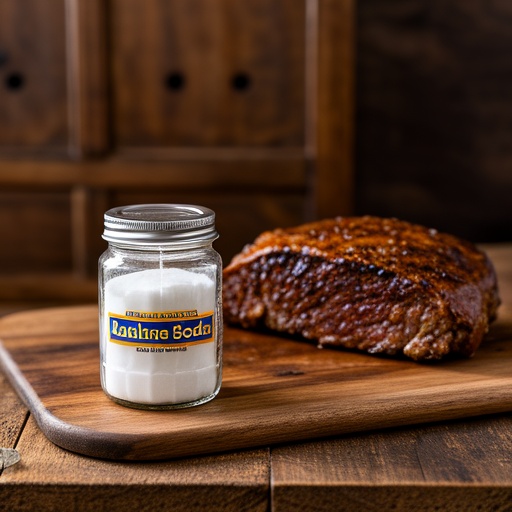 Baking soda, also known as sodium bicarbonate, is a common household item found in almost every kitchen. Its uses extend far beyond just baking. From cleaning to deodorizing, it's a versatile substance. But its application in meat preparation is where it truly shines. Its magic lies in its chemical properties. When you sprinkle a small amount of baking soda on meat and let it sit for a short period, usually about 15 - 20 minutes, it starts to work on the meat fibers. To understand how baking soda works on meat, we need to delve a bit into the science of meat composition. Meat is primarily made up of muscle fibers, which are long, thin cells composed of proteins. These proteins are responsible for the structure and texture of the meat. When meat is raw, these proteins are tightly coiled and intertwined, giving the meat its firmness. However, during the cooking process, these proteins can denature and coagulate, which often leads to the meat becoming tough and dry. Baking soda is alkaline. The alkaline environment it creates helps to break down the tough muscle fibers in the meat. The alkaline conditions cause the proteins to denature and unwind at a much more controlled rate compared to normal cooking. This is similar to how a marinade with acidic ingredients like vinegar or lemon juice can also break down meat fibers, but the mechanism is different. With baking soda, the alkaline nature disrupts the chemical bonds within the proteins, causing them to relax. This process makes the meat more porous. Imagine the meat fibers as a tightly woven net. When baking soda acts on them, the net starts to loosen up, creating small spaces within the meat. These spaces are crucial because they allow the meat to absorb and retain more moisture during the cooking process. As a result, the meat becomes tender and juicy. For example, if you're cooking a tough cut of beef like a flank steak, using baking soda can turn it from a chewy, unappetizing piece of meat into a tender and flavorful dish. Let's take a look at some real - life examples of how baking soda can make a difference. Suppose you're hosting a barbecue and you've bought some inexpensive chicken thighs. These thighs might have a tendency to be a bit tough, especially if not cooked properly. By applying a light dusting of baking soda and letting it sit for the recommended time, you'll notice a significant improvement in the texture. When you grill the chicken, it will be easier to cut through, and each bite will be filled with moisture and flavor. Another example is with pork chops. Thick - cut pork chops can sometimes end up dry and tough in the middle. Using baking soda as a pre - treatment can ensure that the meat stays juicy throughout. The baking soda helps to break down the connective tissues in the pork, making it more tender and enjoyable to eat.
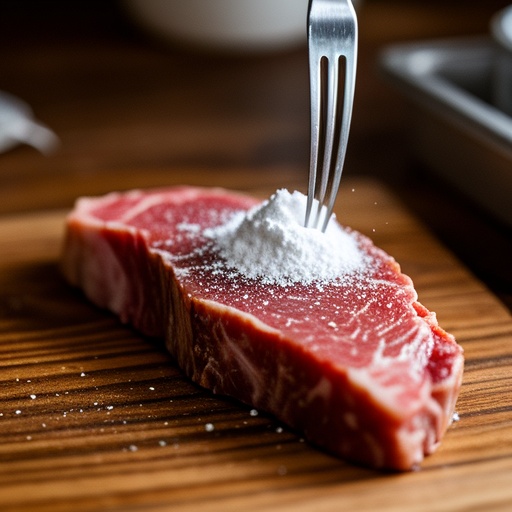 Another advantage of using baking soda is that it is a natural and inexpensive alternative to commercial meat tenderizers. Unlike some commercial products that may contain additives or preservatives, baking soda is a simple and safe option. This makes it a great choice for those who prefer to use natural ingredients in their cooking or have concerns about the chemicals in processed food. However, it's important not to over - use it. Too much baking soda can leave an unpleasant soapy taste on the meat. This is because the alkaline nature of baking soda, when in excess, can create an overpowering flavor that masks the natural taste of the meat. A general rule of thumb is to use about 1/4 to 1/2 teaspoon of baking soda per pound of meat. This small amount is sufficient to break down the meat fibers without affecting the taste negatively. After the resting period, you should rinse the meat thoroughly under cold water to remove any excess baking soda before cooking. This step is crucial. If you don't rinse the meat properly, the remaining baking soda can react with the heat during cooking and cause the meat to have an off - flavor. Rinsing also helps to remove any loose particles of baking soda that might not have been absorbed by the meat. This simple step can transform an ordinary piece of tough meat into a delicious, tender, and juicy meal. Whether you're a professional chef or a home cook looking to elevate your meat dishes, adding baking soda to your meat preparation routine is a game - changer. You can use this technique with a variety of meats, including beef, pork, chicken, and even lamb. It's a cost - effective and easy way to take your cooking to the next level. So, the next time you're faced with a tough cut of meat, reach for that box of baking soda and let its magic work wonders.